Every December, The Nutcracker seems to appear everywhere—on stage, in movie theaters, and in the background of shopping malls and Christmas markets. Its music instantly evokes falling snow, glittering trees, and the magic of childhood.
But did you know The Nutcracker wasn’t always a Christmas hit? When it first premiered, it was actually considered a disappointment. So how did it become one of the most beloved holiday traditions—and how can homeschool families enjoy it as part of their December “Christmas School”?
Let’s explore the story behind Tchaikovsky’s The Nutcracker, and how you can easily include it in your homeschool this season.
Disclosure: I get commissions for purchases made through affiliate links in this post.
The Origins of Tchaikovsky’s The Nutcracker
In 1891, Russian composer Pyotr Ilyich Tchaikovsky received a commission to write a new ballet for the Imperial Ballet in St. Petersburg. He had already composed two successful ballets—Swan Lake and Sleeping Beauty—so expectations were high.
The story came from a German tale, The Nutcracker and the Mouse King by E.T.A. Hoffmann, which had been adapted by French author Alexandre Dumas. It tells of a young girl named Clara (sometimes called Marie in other versions) who receives a wooden nutcracker doll for Christmas. That night, she dreams that the nutcracker comes to life, battles the evil Mouse King, and whisks her away to a magical Land of Sweets ruled by the Sugar Plum Fairy.
The Composition of The Nutcracker
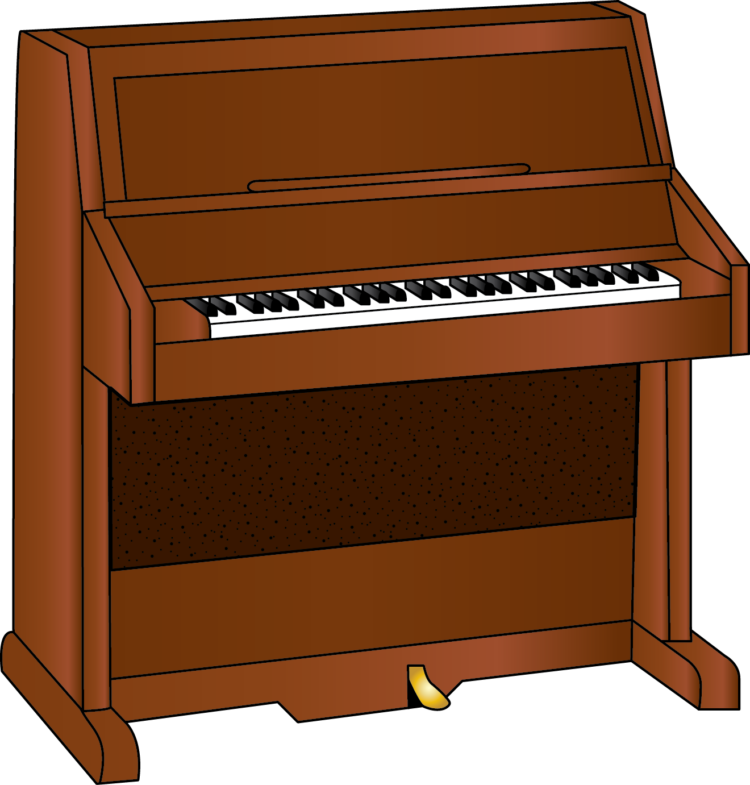
Tchaikovsky began composing in 1891, weaving his melodic genius into scenes of childhood wonder and fantasy. He even traveled to Paris to acquire a brand-new instrument called the celesta, which produces the delicate, bell-like tones heard in the “Dance of the Sugar Plum Fairy.”
celesta
When The Nutcracker premiered on December 18, 1892, audiences were charmed by the music but puzzled by the story. Critics thought the plot was too confusing and that having children dance on stage was a mistake.
The ballet quickly faded from the spotlight—though the Nutcracker Suite, a collection of musical highlights arranged by Tchaikovsky, began to win audiences over in concert halls across Europe.
[Hear the celesta at 6:52.]
From Russia to America: A Christmas Transformation
The true transformation of The Nutcracker didn’t happen until decades later—and not in Russia, but in America.
In 1944, the San Francisco Ballet performed it, but the real turning point came ten years later when George Balanchine staged his version with the New York City Ballet in 1954. That production was televised nationwide and reached millions of viewers.
For many American families, this was their first time seeing a full-length ballet—and they fell in love with it. Its magical story, dazzling costumes, and joyful music captured the spirit of Christmas. Ballet companies across the country began performing it annually, often using ticket sales from The Nutcracker to fund their entire season.
By the 1980s, The Nutcracker had become a cherished Christmas tradition, as familiar as caroling or decorating the tree.
“Oh, how difficult it is to make anyone see and feel in music what we see and feel ourselves.”
~Peter Ilyich Tchaikovsky
The Music That Makes It Magical
Tchaikovsky was a master at expressing emotion through melody. Each dance in The Nutcracker paints a vivid picture through sound:
The March captures the excitement of Christmas morning.
The Waltz of the Flowers creates an elegant, swirling finale.
The Dance of the Sugar Plum Fairy sparkles with mystery and delicacy, thanks to the celesta’s shimmering tone.
For homeschoolers, this music offers wonderful opportunities to teach concepts like instrumentation, dynamics, and musical form.
You can ask your children questions like:
Which instruments do you hear?
How does the music make you feel?
What kind of movement or picture does it inspire?
Listening to the Nutcracker Suite is a simple, no-prep way to introduce children to classical music while keeping the Christmas atmosphere joyful.
Ideas for Studying The Nutcracker in Your Homeschool
Whether you’re doing “Christmas School” (a relaxed, festive break from your usual curriculum) or just want to add a little music to your December, The Nutcracker is an ideal choice. Here are some ways to make it come alive for your students:
Watch a performance together. Attend a local ballet or stream one online. Many companies, including the New York City Ballet and the Bolshoi Ballet, have beautiful versions available for free or for rent. Check YouTube to see what's available this year.
Listen to the music in segments. You don’t have to hear it all at once. Try one piece per day—“March,” “Waltz of the Flowers,” or “Dance of the Reed Flutes”—and talk about what’s happening in each scene. *Tip–listen while driving in the car.
Read the story. Pair your listening with a storybook version of The Nutcracker. Compare how the story and the music express the same ideas in different ways.
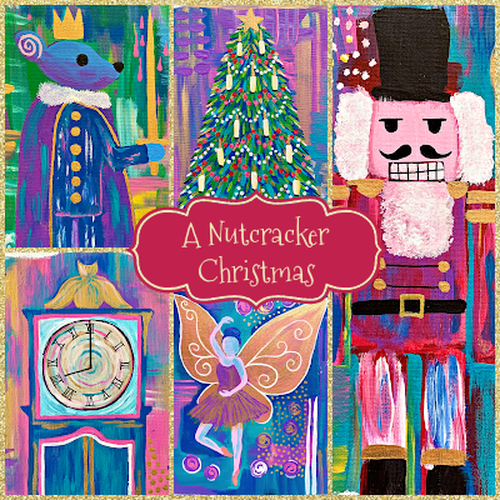
Incorporate art and movement. Invite your children to draw or paint what they hear, or dance along to the rhythms.
Explore Tchaikovsky’s life. Learn about his other famous works, such as Swan Lake, Sleeping Beauty, and The 1812 Overture. Discuss how his music reflects the Romantic era.
Create your own mini performance. Younger kids might enjoy dressing up and reenacting scenes while the music plays.
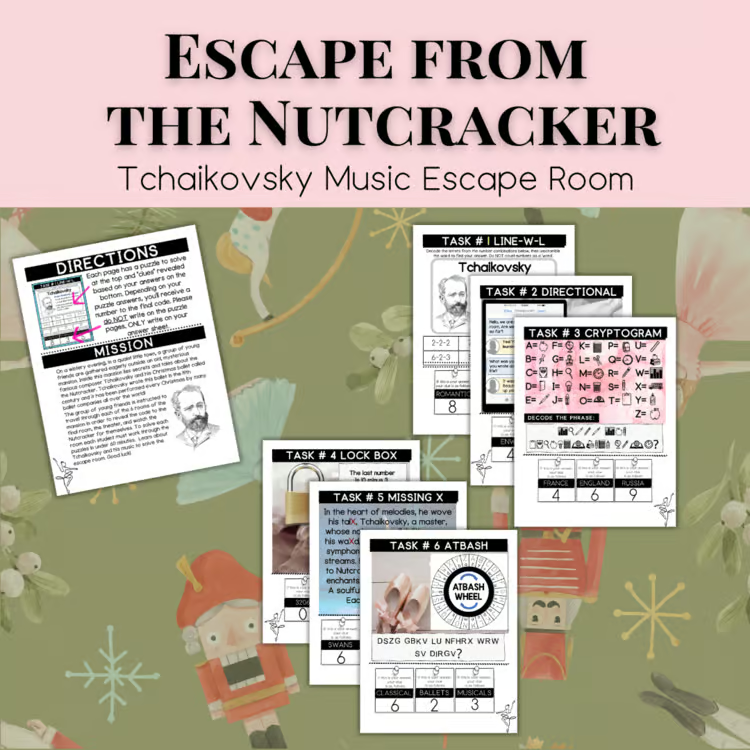
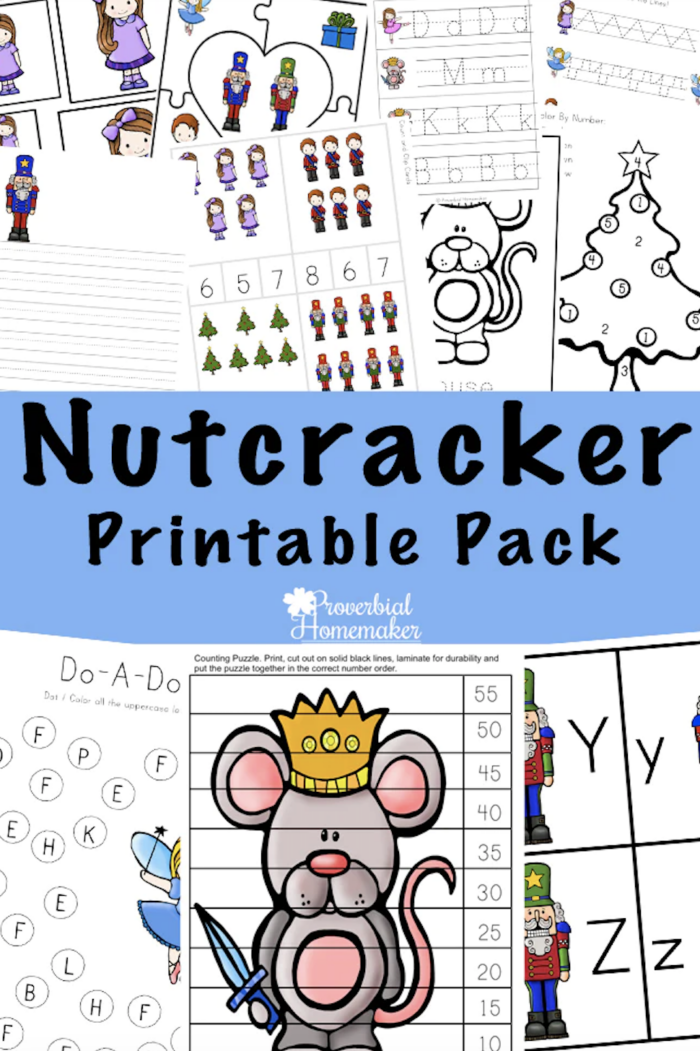
Use this printable pack to synthesize your learning!
Each of these activities helps kids not only appreciate The Nutcracker but also understand how music tells stories and creates emotion.
Explore The Nutcracker Inside Music in Our Homeschool
If you’d like to make this even easier, The Nutcracker is featured inside my online courses at Learn.MusicinOurHomeschool.com.
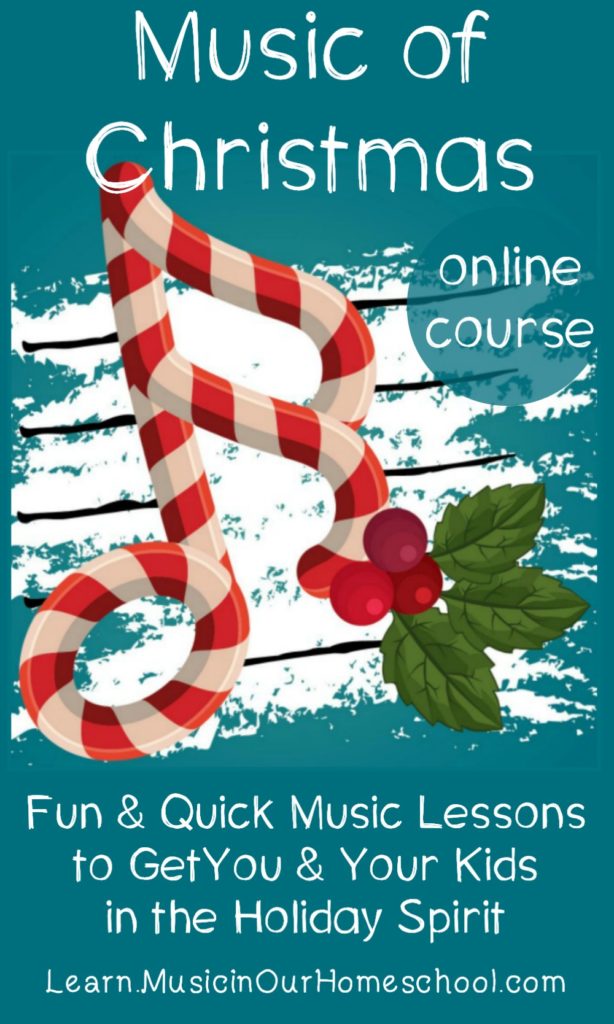
In the Music of Christmas course, you’ll find a ready-to-go lesson that introduces your kids to Tchaikovsky, shares the background of the ballet, and includes video performances and listening guides. It’s designed to take only 15 minutes and works beautifully for elementary and middle school students.
So why does The Nutcracker continue to enchant us more than a century later?
Because it celebrates imagination, beauty, and the wonder of childhood. Every Christmas, it invites us to pause and enter a world where toys come to life, snowflakes dance, and music paints pictures we can almost see.
For homeschool families, studying The Nutcracker is more than just a lesson in music history. It’s a way to connect generations—to share in the same melodies our grandparents once heard and to pass them on to our children.
A Simple Invitation
If you’ve never studied The Nutcracker before, this December is the perfect time to begin.
Put on the music while you decorate cookies or trim the tree. Watch a performance as a family movie night. Or open the Music of Christmas course and spend just 15 minutes exploring the story behind this beautiful ballet.
Music has a special way of making the season brighter—and The Nutcracker reminds us that beauty and joy can be found in even the simplest moments of learning together.
Maestro Classics “The Nutcracker”
One of my favorite resources is the Maestro Classicsmusic appreciation CD of the Nutcracker. I learned a lot about the background of the story. It's a fun way for kids to learn because they hear Tchaikovsky's music along with a narration of the story. It includes a 24-page activity booklet! The Maestro Classics Nutcracker is also available as a digital download.
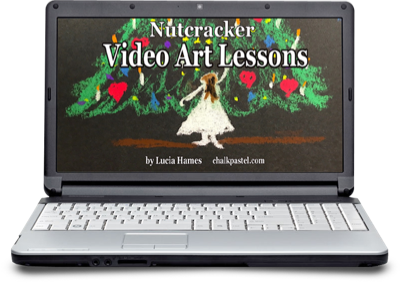
Use art to complete your study of the Nutcracker. Chalk Pastel has some wonderful online lessons that are perfect for all ages! The Nutcracker set of lessons includes: