Have you ever noticed how many exciting Bible stories involve kings and queens? Today we’re going to learn about three famous Biblical rulers—King David, King Solomon, and Queen Esther—through the music of one of history’s greatest composers: George Frideric Handel.
Handel loved writing music based on Bible stories. In fact, many of his most famous works are called oratorios, which are large musical works for singers and orchestra that tell a story, often from the Bible. Unlike an opera, an oratorio is usually performed without costumes, scenery, or acting.
In this short 15-Minute Music Lesson, we’ll listen to three musical excerpts that portray Biblical royalty and discover how Handel used music to tell their stories.
Disclosure: I get commissions for purchases made through affiliate links in this post.
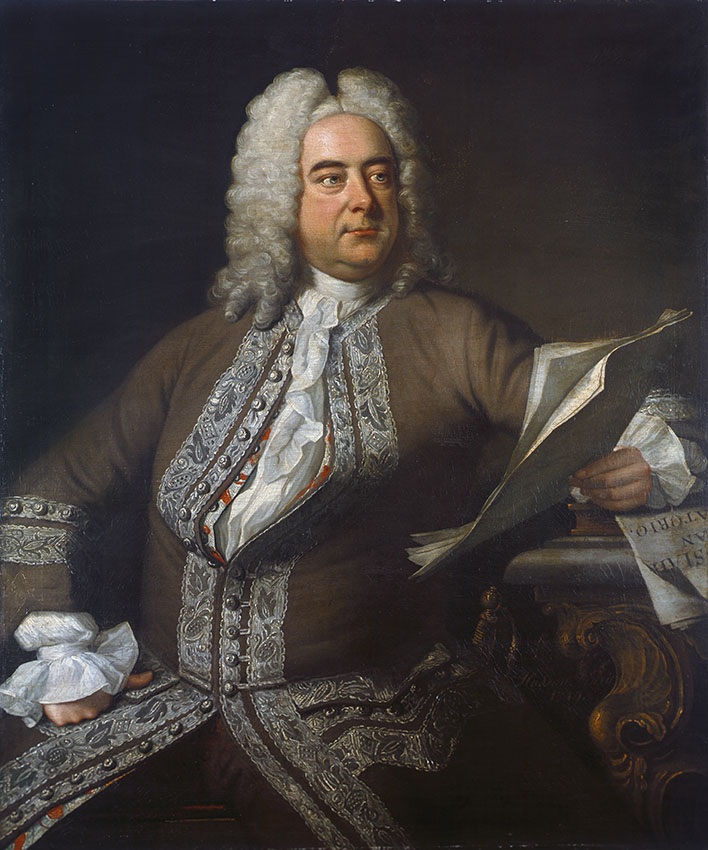
Meet the Composer: George Frideric Handel
George Frideric Handel (1685–1759) was a German-born composer who spent much of his life in England. He is best known for composing Messiah, which includes the famous “Hallelujah Chorus.”
Handel wrote dozens of operas and oratorios. He had a special talent for creating music that helped listeners imagine the emotions, victories, and struggles of the characters in the story.
Today we’ll hear selections from three of Handel’s Biblical oratorios.
Artza Box
By the way, I was inspired to create this music lesson by this season's Artza Box subscription box of handmade items from Israeli artisans, whose theme was Biblical Royalty! The box contains items related to King David, King Solomon, and Queen Esther.
King David: “See, the Conqu’ring Hero Comes!” from Saul
Who Was King David?
David began life as a shepherd boy and became one of Israel’s greatest kings. He defeated the giant Goliath, wrote many of the Psalms, and was known as “a man after God’s own heart.”
Handel’s oratorio Saul tells the story of David’s relationship with King Saul and his rise to prominence.
Listen
Listen to “See, the Conqu’ring Hero Comes!”
What Do You Hear?
As you listen, think about these questions:
Does the music sound like a victory celebration?
Which instruments stand out to you?
How does the music make you feel?
Why might people have sung this music to honor David?
Did You Know?
Although this piece is strongly associated with David, Handel originally composed it for another oratorio called Joshua before later adding it to Saul.
King Solomon: “Arrival of the Queen of Sheba” from Solomon
Who Was King Solomon?
Solomon was King David’s son and became known as the wisest king in the Bible. He built the magnificent Temple in Jerusalem and became famous throughout the ancient world for his wisdom.
One of the most famous stories about Solomon is the visit of the Queen of Sheba, who traveled a great distance to see whether the stories of his wisdom were true.
Listen
Listen to “Arrival of the Queen of Sheba.”
What Do You Hear?
Think about:
Does the music sound royal?
Can you imagine a grand procession entering a palace?
Is the music fast or slow?
What instruments create the feeling of excitement and celebration?
Fun Fact
This is one of Handel’s most popular orchestral pieces and is often played at weddings and special celebrations today.
Queen Esther: Excerpt from Esther
Who Was Queen Esther?
Esther was a courageous Jewish queen who risked her life to save her people. Her story is one of bravery, wisdom, and trusting God during difficult circumstances.
Handel’s Esther was his first English-language oratorio and helped make the genre popular in England.
Listen
Listen to the opening chorus from Esther. (The entire oratorio is below, if you'd like to listen to more of it.)
What Do You Hear?
Consider:
Does the music sound joyful, dramatic, or triumphant?
How might Handel be portraying Esther’s courage?
What emotions do you hear in the singers’ voices?
How is this piece different from the music about David and Solomon?
Did You Know?
The story of Esther is still celebrated today during the Jewish holiday of Purim.
Compare the Three Pieces
After listening to all three excerpts, compare them together.
Biblical Royalty
Musical Selection
What It Sounds Like
King David
“See, the Conqu’ring Hero Comes!”
Victory and celebration
King Solomon
“Arrival of the Queen of Sheba”
Royal procession and splendor
Queen Esther
Opening from Esther
Courage and triumph
Discussion Questions
Which piece sounded the most royal to you?
Which piece was your favorite?
Which piece sounded the happiest?
How did Handel make each ruler’s story feel different?
Would you do something different if you were writing music about a biblical king or queen?
Why do you think Handel enjoyed composing music based on Bible stories?
Vocabulary Word
Oratorio: A large musical work for singers, choir, and orchestra that tells a story, often from the Bible, performed on stage as a concert, without sets, props, costumes, or acting.
Closing Thought
George Frideric Handel believed that music could inspire people and help them reflect on important truths. Through his music about David, Solomon, and Esther, we can hear stories of courage, wisdom, leadership, and faith brought to life through beautiful sound.
The next time you hear a grand piece of classical music, imagine what story the composer might be telling without using words!
Freebie: Study a Composer pack
Download the Study a Composer pack to use with today's music lesson here:
Music in Our Homeschool Plus membership
If you'd like a 15-minute music lesson like this every day in the Music Lesson Calendar of the Month, click here to join the Music in Our Homeschool Plus Membership!
See the YouTube Video: How Handel Turned Biblical Kings & Queens Into Baroque Masterpieces
Listen to Podcast Episode 124: 15-Minute Music Lesson on Biblical Royalty in Baroque Music: King David, King Solomon, and Queen Esther Through the Music of Handel