Have you ever wanted to give your child a rich, well-rounded music education but felt unsure about where to begin?
Maybe you have wondered which music course is right for your child’s age. Perhaps you have purchased a course in the past but were not sure what should come next. Or maybe music keeps getting pushed aside because creating a complete plan feels like one more thing you have to organize.
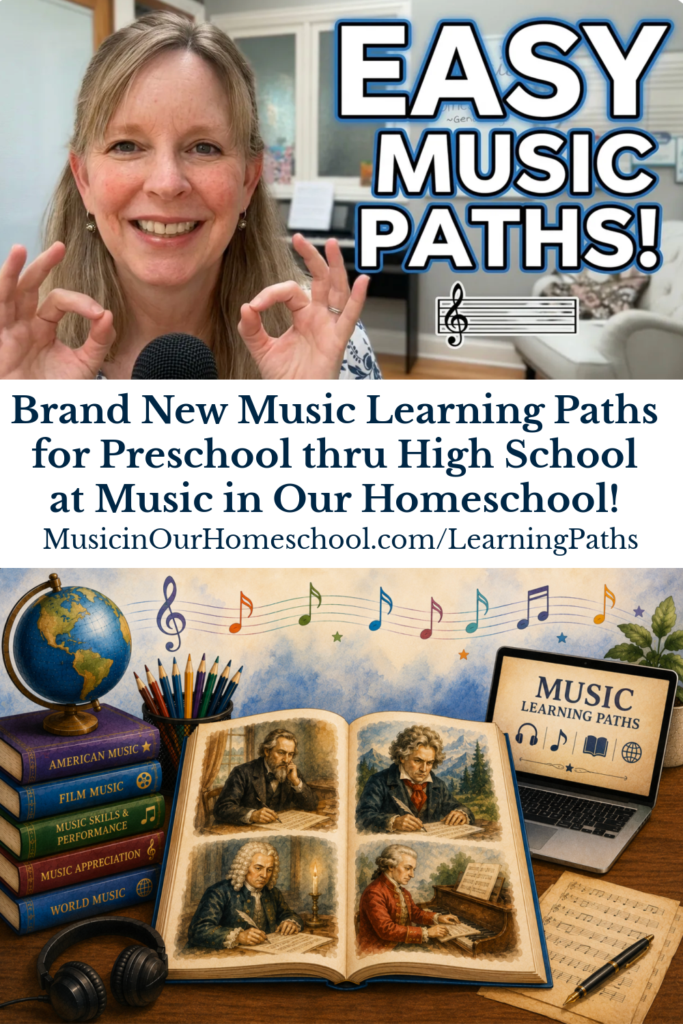
That is exactly why I created the Music in Our Homeschool Music Learning Paths.
Each Learning Path provides a clear, age-appropriate roadmap through music education, including comprehensive music learning paths. Instead of choosing individual courses and trying to determine the best order yourself, you receive a carefully planned sequence of self-paced online courses that guides your child from one stage of musical growth to the next.
You can begin with your child’s current age or grade level, follow the recommended order, and enjoy watching your student develop musical knowledge, listening skills, confidence, and a lifelong appreciation for music.
No musical background is required for the student, parent, or teacher.
Scroll down to find special LAUNCH coupon codes to save! Now through August 31, 2026.
What Is a Music Learning Path?
A Music in Our Homeschool Learning Path is more than a collection of online music courses.
It is a complete, guided homeschool music curriculum designed to help you know what to teach now and what to teach next.
Each Path includes courses selected for particular ages and stages of development. Students move through the lessons at their own pace, gradually building their understanding while studying areas such as:
Through these music learning paths, students can explore and engage with music in a structured way.
Singing
Musical movement
Music theory
Keyboard readiness
Folk songs
Classical music
Composers
Musical theater
World music
American music
Orchestra instruments
Jazz
Music history
Analytical listening
Vocal performance
Instrumental performance
Rather than completing disconnected activities, students follow a purposeful sequence that grows with them.
You do not have to spend hours researching curriculum, planning lessons, or deciding which course should follow another. The roadmap has already been created for you.
What Is Included in Every Learning Path?
Every Music in Our Homeschool Learning Path includes:
A carefully sequenced curriculum
Self-paced online courses
Short, engaging lessons that fit easily into your homeschool schedule
Progress tracking as students complete each step
Lifetime access to every included course for the lifetime of the Music in Our Homeschool site
A clear path toward the next stage of music education
Because the courses are self-paced, families can use them in the way that works best for their homeschool.
Some students may complete one course during a school year. Others may move more quickly or spread the material out over a longer period. Families can also pause when life becomes busy and return to the lessons when they are ready.
There are no live class times to attend and no need to rearrange your entire homeschool day.
Simply log in, begin the next lesson, and continue learning.
Why Use a Guided Homeschool Music Curriculum?
Music is often one of the first subjects to be skipped when the homeschool schedule becomes full. (I know, because I've homeschooled 8 kids for over 20 years!)
It is not usually because parents believe music is unimportant. More often, they simply do not know what to teach, how to teach it, or how to fit it into the day.
A guided Music Learning Path removes many of those obstacles.
You know exactly where to begin
You do not have to compare dozens of courses or wonder whether a lesson is too easy or too advanced. Each course is placed within an age-based sequence.
Your child develops skills progressively
Musical understanding grows over time. Early singing, movement, and listening experiences prepare children for later theory, music history, instrumental study, and analytical listening.
Music becomes a consistent part of your homeschool
Short, accessible lessons make music easier to include regularly instead of saving it for a time when you have more energy or preparation time.
You can see the larger educational picture
The Learning Paths show how music education can develop from preschool through high school. Each stage builds toward the next.
Preschool Music Learning Path
The Preschool Music Learning Path is designed to build a joyful musical foundation during your child’s earliest years.
Young children learn naturally through singing, listening, movement, repetition, imagination, and play. This Path uses those early learning experiences to introduce beginning music concepts while also preparing children for future keyboard and elementary music study.
The Preschool Music Learning Path includes:
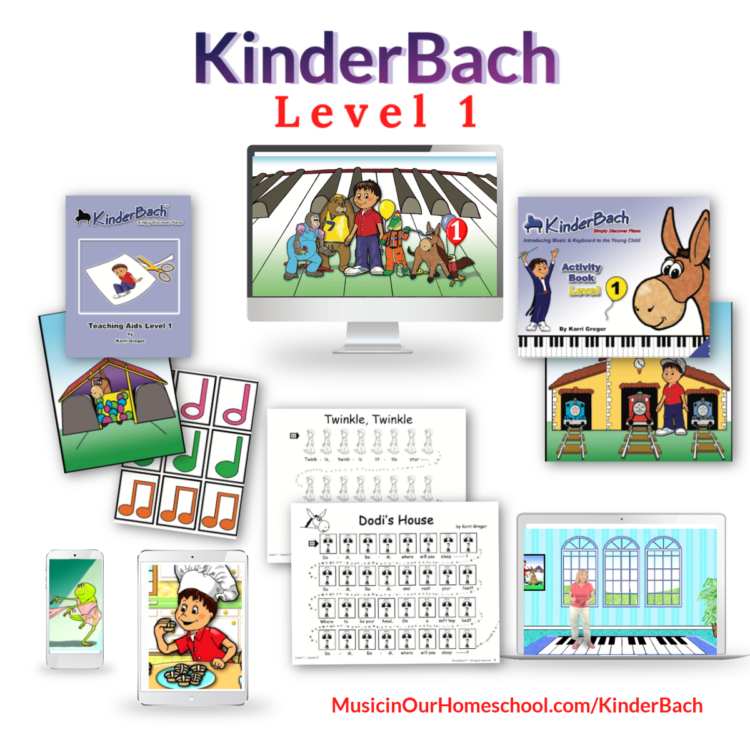
Age 3: KinderBach Levels 1–2 online courses
These 40 lessons introduce young children to music through age-appropriate piano and music theory activities.
Age 4: KinderBach Levels 3–4 online courses
Children continue developing early keyboard understanding, musical awareness, listening skills, and confidence through another 40 lessons.
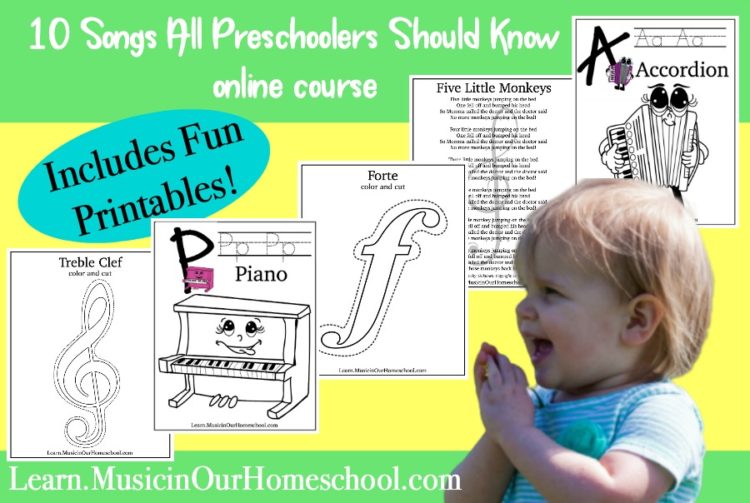
Kindergarten or Age 5: KinderBach Levels 5–6 and 10 Songs All Preschoolers Should Know online courses
These final 40 KinderBach lessons continue the progression of beginner piano and theory skills. Children also learn ten traditional songs while strengthening singing, listening, and early musical understanding.
Altogether, the Preschool Learning Path includes KinderBach Levels 1–6 and 10 Songs All Preschoolers Should Know. This is an excellent choice for families who want to introduce music early without turning it into a formal or stressful academic subject.
The goal at this age is not perfection. It is joyful exposure, growing confidence, and a strong musical foundation.
Elementary Music Learning Path
The Elementary Music Learning Path expands a child’s musical world through folk songs, classical music, musicals, music theory, singing, and American music.
Each course adds a new dimension to the child’s understanding while building on the listening and participation skills developed in earlier years.
The Elementary Music Learning Path includes:
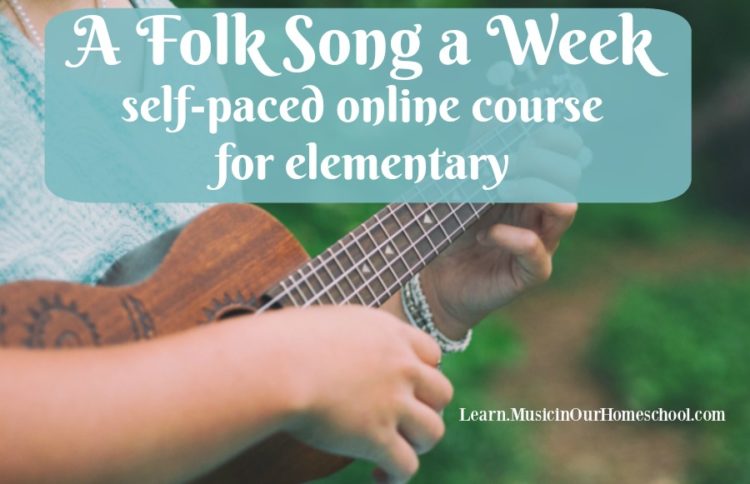
First Grade or Age 6: A Folk Song a Week
Students learn 36 folk songs while exploring the musical traditions and stories connected to them.
Folk songs are a wonderful foundation for elementary music education because they introduce melody, rhythm, history, language, and culture through music passed down through generations.
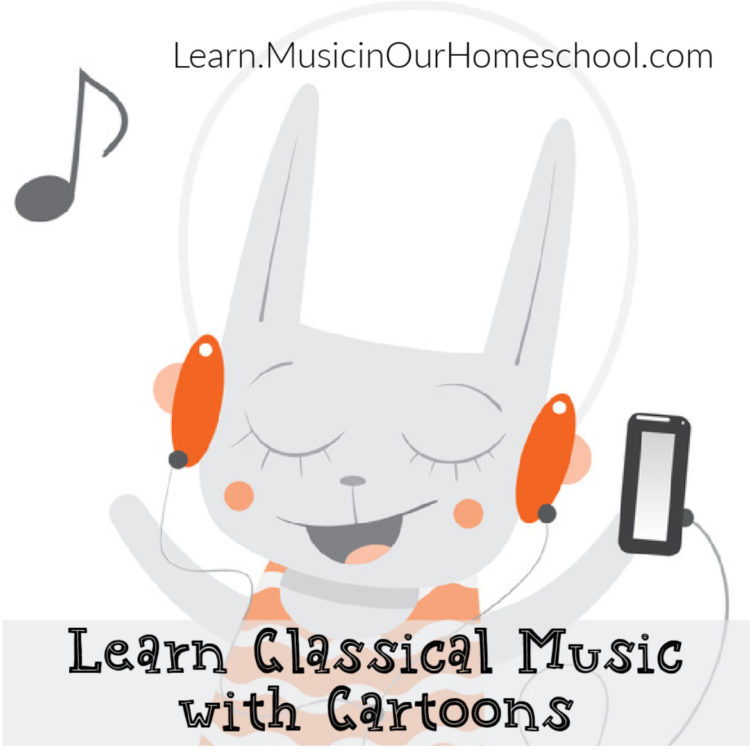
Second Grade or Age 7: Learn Classical Music with Cartoons
Through 50 lessons, students are introduced to classical music in a fun and memorable way.
Cartoons help make orchestral music approachable for younger children and give them visual connections to the pieces they hear.
Third Grade or Age 8: 15-Minute Music Lessons and Intro to Musicals for Elementary Students
This course includes 21 short music appreciation lessons that make it easy to explore composers, musical styles, history, and special topics.
Additionally, across 12 lessons, students discover musical theater and learn how stories, acting, singing, dancing, and orchestral music come together onstage.
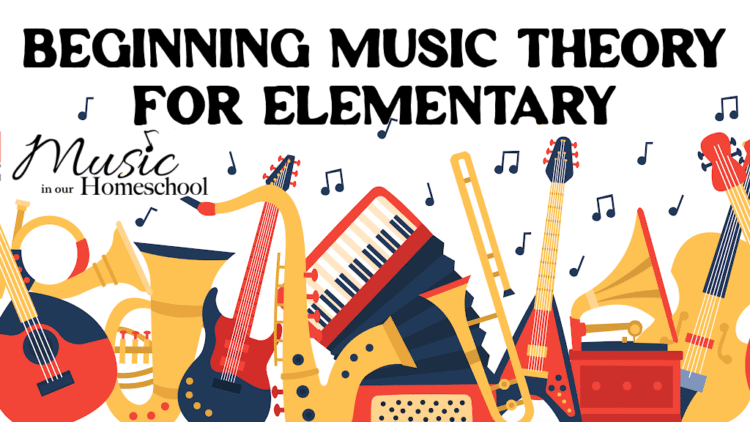
Fourth Grade or Age 9: Beginning Music Theory for Elementary and Songs from Pa and Laura
These 20 lessons introduce foundational music theory concepts in a child-friendly way.
Students begin learning how written music works, including concepts that support future singing, instrumental study, and music appreciation.
Through 40 lessons, students explore music associated with the world of Laura Ingalls Wilder, connecting music with history, literature, and American culture.
Fifth Grade or Age 10: State Songs of the 50 U.S. States
Students explore all 50 states through their official or traditional state songs.
This 50-lesson course combines music with geography, history, and American culture, making it especially useful for families studying the United States.
The Elementary Path creates a broad and varied music education. Students sing, listen, study theory, explore theater, discover classical works, and connect music with American history.
Middle School Music Learning Path
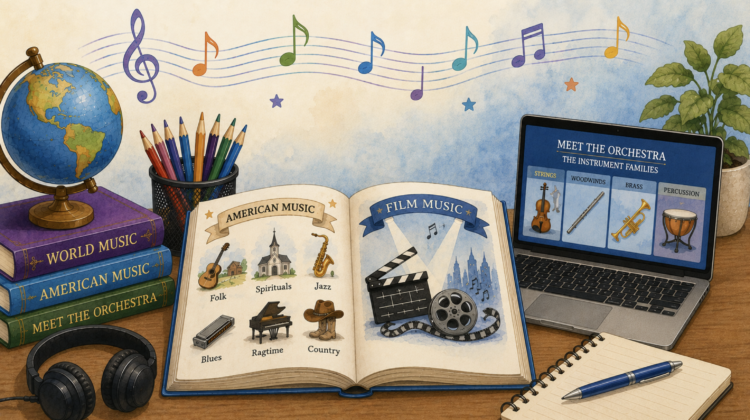
The Middle School Music Learning Path helps students broaden their understanding of music by exploring world cultures, America’s musical heritage, and the instruments of the orchestra.
Middle school students are ready to move beyond simple exposure and begin listening with greater attention. They can compare styles, recognize musical features, understand historical and cultural context, and begin discussing what they hear.
The Middle School Music Learning Path includes:
Sixth Grade or Age 11: World Music
Across 65 lessons, students travel musically around the world. They encounter instruments, songs, musical traditions, and cultural practices from many different countries and regions. This course helps students understand that music is both universal and wonderfully diverse.
Seventh Grade or Age 12: American Music
Through 36 lessons, students explore the many musical traditions that have shaped the United States. American Music is a rich mixture of cultural influences and styles. This course gives students a deeper understanding of the music connected to the nation’s history and identity.
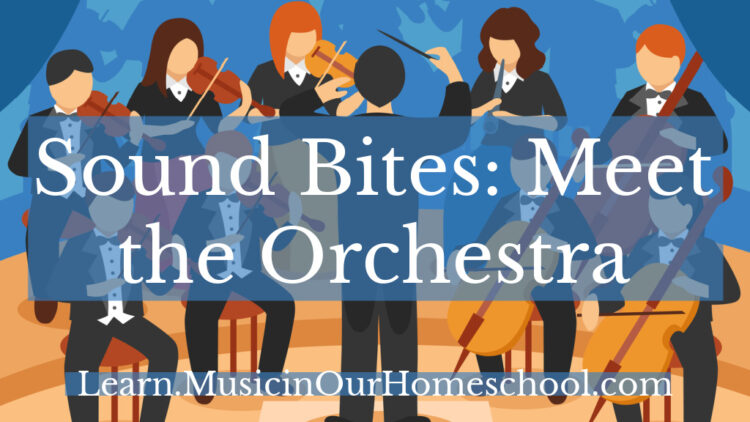
Eighth Grade or Age 13: Sound Bites: Meet the Orchestra
This 36-week course introduces students to the instruments and families of the orchestra.
Students learn to recognize instrumental sounds and understand how orchestral musicians work together to create a complete musical experience.
By the end of the Middle School Learning Path, students have gained a broader cultural perspective, a stronger musical vocabulary, and the listening skills needed for more advanced high school music appreciation.
High School Music Learning Path
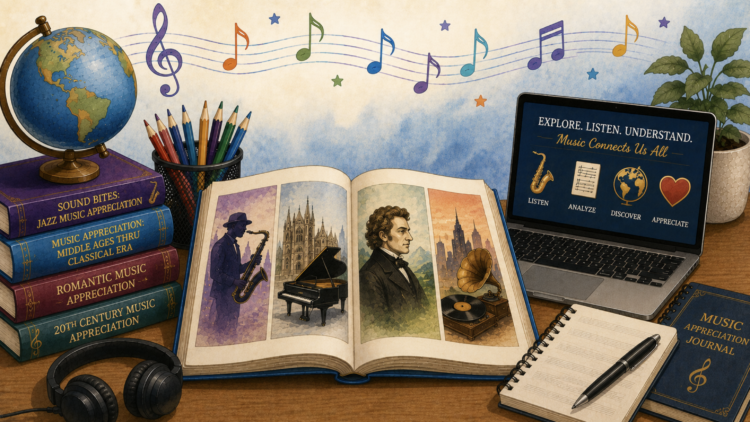
The High School Music Learning Pathprovides a rich, chronological study of music appreciation and history. Students explore important composers, major musical periods, influential works, styles, and developments from the Middle Ages through modern music.
They also strengthen the analytical listening skills expected in high school-level fine arts study.
The High School Music Learning Path includes:
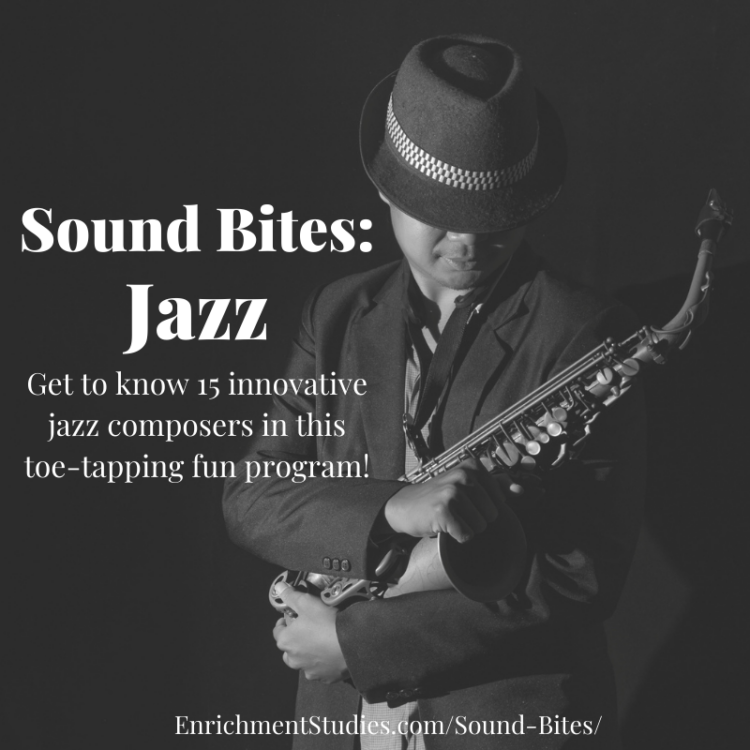
Ninth Grade or Age 14: Sound Bites: Jazz Music Appreciation
Through 150 lessons, students study jazz musicians, styles, recordings, and history.
Jazz is an essential part of American music, and this course gives students time to listen carefully and understand its development and influence.
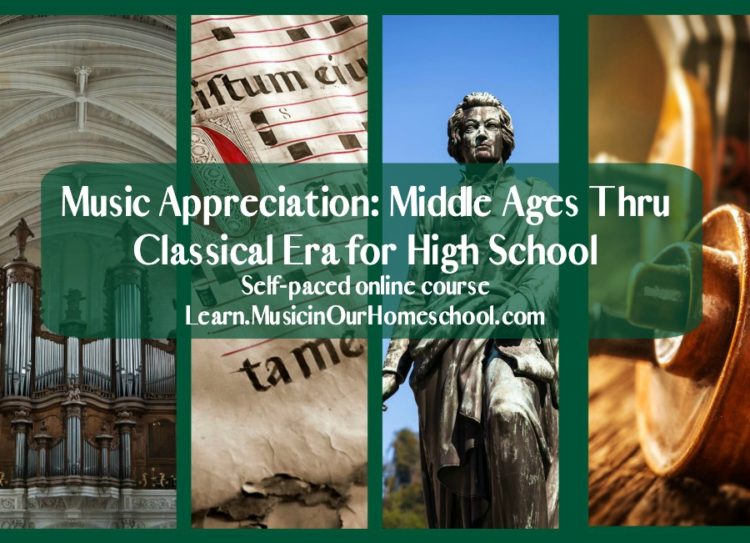
Tenth Grade or Age 15: Music Appreciation: Middle Ages Through Classical Era
This 36-week course takes students through the major developments of Western music from the Middle Ages through the Renaissance, Baroque, and Classical eras.Students study significant composers and works while learning how musical styles changed over time.
Eleventh Grade or Age 16: Romantic Music Appreciation
Across 36 weeks, students explore the expressive and dramatic music of the Romantic era. They learn about composers, musical forms, orchestral growth, nationalism, program music, opera, and the artistic ideas that shaped the 19th century.
Twelfth Grade or Age 17: 20th Century Music Appreciation
This 36-week course takes students through the many musical developments of the 20th century through today.
Students encounter new compositional techniques, influential composers, popular styles, film music, and other musical changes that shaped the modern world. The High School Path can support a strong high school fine arts education while helping students become thoughtful and informed listeners.
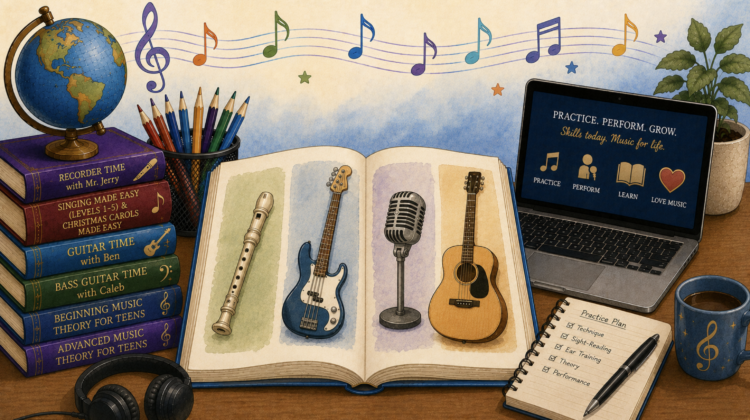
The Music Skills and Performance Learning Path complements the age-based appreciation Paths by focusing on practical musicianship. Students develop skills through singing, recorder, guitar, bass guitar, and music theory. This Path is ideal for students who want to do more than listen and learn about music. They also want to sing, play, read notation, understand theory, and strengthen performance skills.
The Music Skills and Performance Learning Path includes:
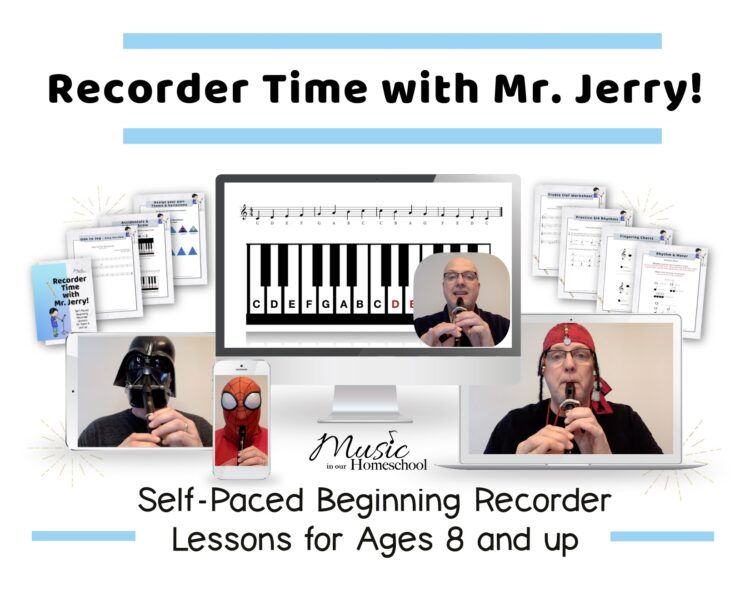
Seventh Grade or Age 12: Recorder Time with Mr. Jerry
Students learn beginning recorder skills through guided instruction, practice activities, homework, and worksheets.
Eighth Grade or Age 13: Singing Made Easy Levels 1–5 and Christmas Carols Made Easy
Students build vocal confidence and musicianship through five progressive levels of singing instruction. The lessons include songs, sheet music, demonstrations, accompaniment recordings, and other supporting materials. Students continue developing vocal skills through familiar Christmas music.
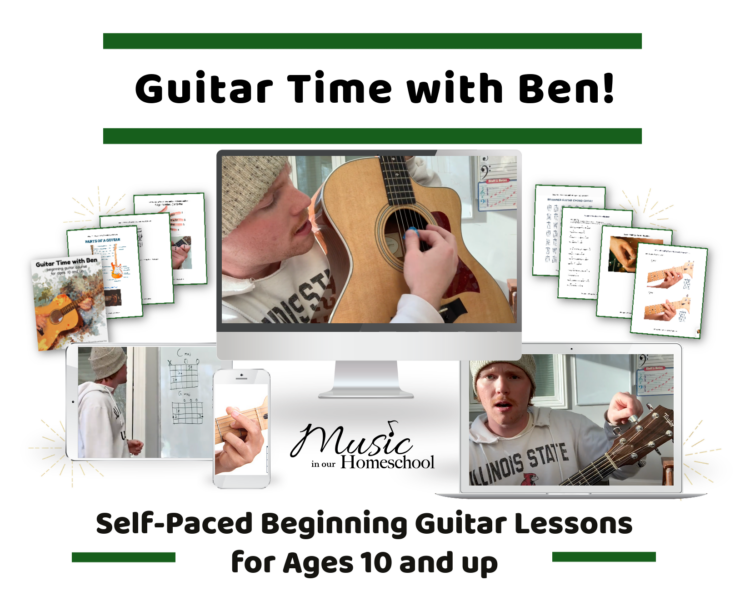
Ninth Grade or Age 14: Guitar Time with Ben
Students learn guitar fundamentals, including string names, frets, tablature, and beginning playing skills.
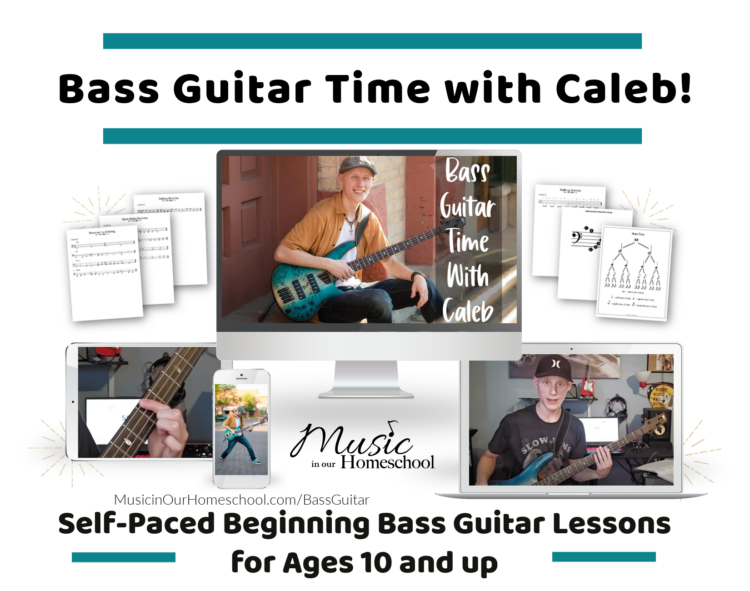
Tenth Grade or Age 15: Bass Guitar Time with Caleb
Students are introduced to bass guitar technique, tuning, string names, and exercises.
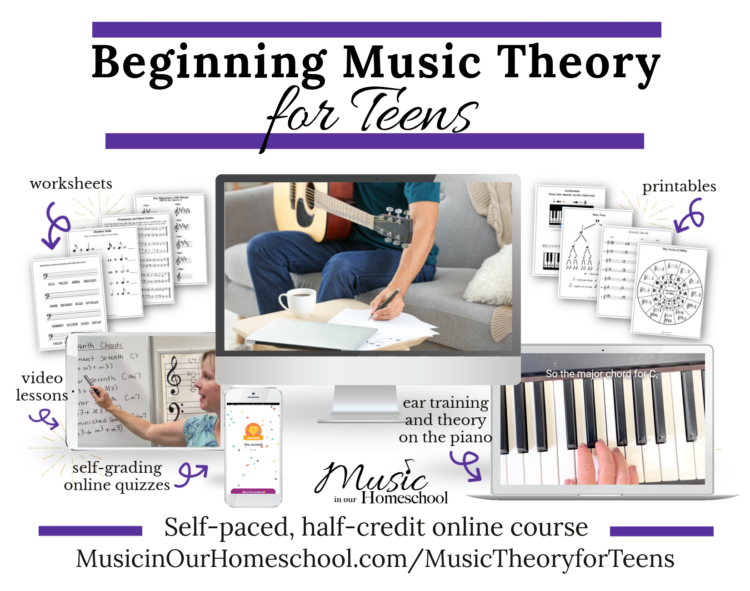
Eleventh Grade or Age 16: Beginning Music Theory for Teens
Students study foundational theory concepts while developing music-reading, ear-training, and notation skills.
Twelfth Grade or Age 17: Advanced Music Theory for Teens
Students continue into more advanced concepts involving sound, notation, harmony, chords, and musical analysis. This Path includes 11 prerecorded courses and provides a practical progression through performance and theory.
Can Students Use More Than One Music Learning Path at a Time?
Yes!
The Preschool, Elementary, Middle School, and High School Learning Paths provide the main age-based progression.
The Music Skills and Performance Learning Path can be used alongside the Middle School and High School Paths.
For example, a seventh-grade student could study American Music while also learning recorder. A ninth-grade student could take Jazz Music Appreciation while learning guitar. An eleventh-grade student could study Romantic Music Appreciation while completing Beginning Music Theory for Teens.
This combination gives students both sides of music education:
Music appreciation develops informed listeners.
Music history provides cultural and historical understanding.
Performance develops practical skill and confidence.
Music theory helps students understand how music is constructed.
Families may follow the recommended grade sequence or adjust it according to a student’s interests, previous experience, and available time.
What If My Child Is Starting Later?
Your student does not have to start at the beginning with the Preschool Path in order to benefit from the Learning Paths.
Start with the Path that most closely matches your child’s current age, grade, and experience.
A middle school student who has never had formal music lessons can begin with the Middle School Path. A high school student can begin the High School Path even without completing every earlier course.
The Music Learning Paths are designed to provide structure, but they are also flexible enough to work for real homeschool families. If a student needs additional foundation, you may choose a course from an earlier Path. If a student has already studied a particular subject, you can move ahead.
A Music Education You Will Actually Use
As both a music educator and a veteran homeschooling mom of eight, I understand how difficult it can be to fit every valuable subject into the homeschool week. You may care deeply about music education and still feel overwhelmed by the idea of teaching it.
That is why Music in Our Homeschool courses are designed to be:
Easy to access
Simple to use
Engaging for students
Flexible for homeschool schedules
Thorough without requiring extensive preparation
You do not need to create worksheets, search for every listening example, or teach from a subject you do not understand. The lessons are ready when you are!
Choose the Right Music Learning Path
Here is a quick overview:
The Preschool Music Learning Path builds an early foundation through early childhood music and movement activities, singing, listening, piano readiness, and beginning theory.
The Elementary Music Learning Path introduces folk songs, classical music, musicals, music theory, singing, and American music.
The High School Music Learning Path provides a chronological study of jazz music appreciation and Western music history from the Middle Ages through today.
Each Path gives you a clear next step and helps your child progress without the stress of planning an entire music curriculum yourself.
Begin Your Child’s Musical Journey
A strong music education does not have to be complicated. You do not need to be a musician. You do not need hours of preparation. You do not have to wonder what to teach next.
You simply need a clear path.
Whether your child is singing preschool songs, discovering orchestral instruments, learning guitar, studying jazz, or exploring the great composers of music history, each experience adds another layer to a lifelong understanding and love of music.
Choose the Learning Path that fits your child’s current stage and begin one lesson at a time.
Explore the complete Music Learning Paths here with special launch pricing: