In recent years, conversations about mental health have moved to the forefront of education—and for good reason. Children and teens today are navigating unprecedented levels of stress, anxiety, and emotional pressure. While homeschooling offers many protective benefits, homeschool families still ask important questions:
How do I support my child’s emotional well-being at home?
How can I help reduce stress and anxiety without adding more academic pressure?
How do I preserve joy in learning?
One powerful answer continues to surface in both research and lived experience: music and art matter deeply for mental health.
Far from being optional “extras,” music and visual art are increasingly recognized by psychologists, neuroscientists, and educators as essential tools for emotional regulation, resilience, and overall well-being. Even better, homeschool environments are uniquely suited to unlock these benefits in natural, low-pressure ways.
This article explores what research actually says about music and art’s impact on mental health—and what that means for homeschool families who want to nurture not only academic growth, but also emotionally healthy children.
Why Mental Health Support Belongs in the Homeschool Conversation
Homeschooling often provides flexibility, safety, and strong family relationships. Yet it can also bring unique emotional challenges:
Close quarters and constant togetherness
High expectations placed on parents
Children who struggle with anxiety, perfectionism, or emotional regulation
Mental health is not something separate from education. Emotional well-being directly affects learning, motivation, behavior, and long-term success. When children feel calm, safe, and emotionally supported, learning becomes easier and more meaningful.
This is where music and art play a vital role.
Music’s Impact on Stress, Anxiety, and Emotional Regulation
What Happens in the Brain When We Engage With Music
Research in neuroscience shows that music activates multiple regions of the brain at once, including areas responsible for emotion, memory, attention, and reward. When children listen to or make music, the brain releases dopamine, a neurotransmitter associated with pleasure and motivation, while also reducing levels of cortisol, the body’s primary stress hormone.
This physiological response helps explain why music can feel calming almost immediately.
Music therapy research has repeatedly demonstrated that engaging with music can:
Reduce anxiety and stress
Improve mood and emotional stability
Decrease symptoms of depression
Support emotional expression and coping
A large meta-analysis published in Frontiers in Psychology (see links below) found that music therapy had significant positive effects on mental health outcomes, especially when used consistently over time. Group music experiences—such as singing together—often showed even stronger results due to the added benefits of social connection and shared emotional experience.
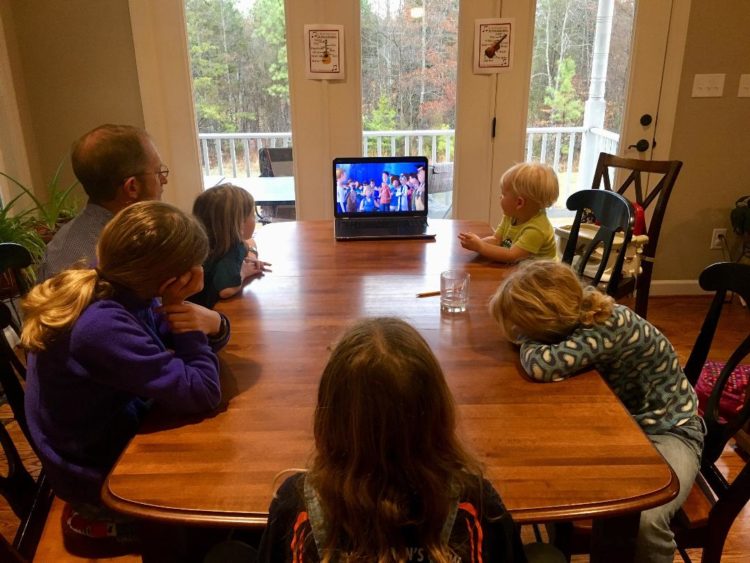
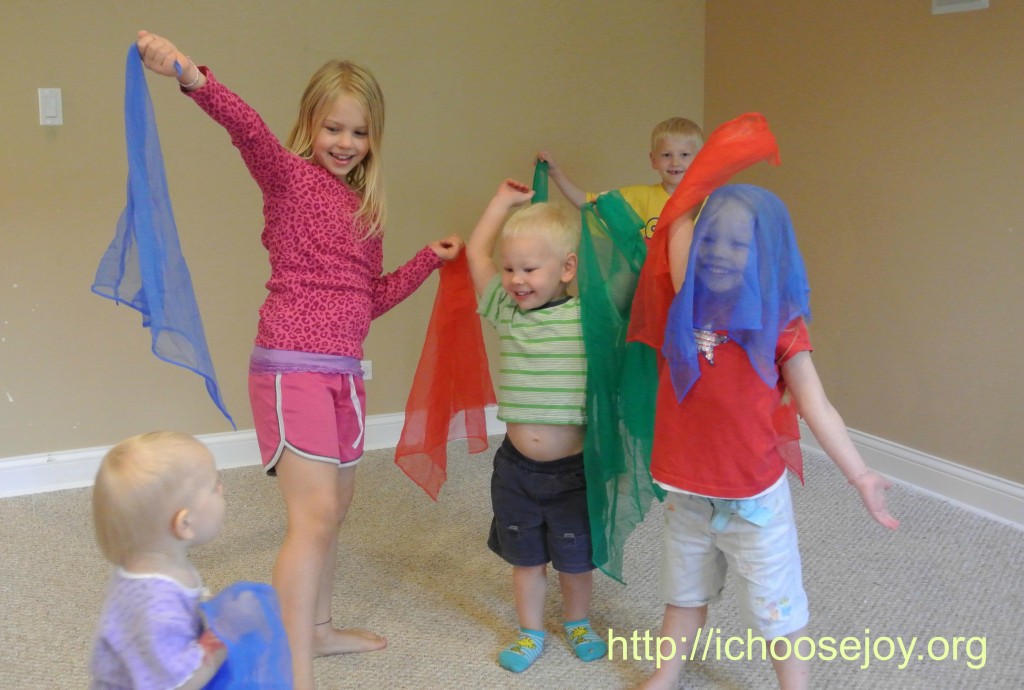
For homeschool families, this means that everyday music experiences matter more than we may realize. Listening to music during transitions, singing together as a family, or learning an instrument all support emotional regulation in ways that feel natural and enjoyable.
Music as a Tool for Emotional Expression
One of music’s most powerful mental health benefits is that it allows children to express emotions without needing words. This is especially important for:
Younger children
Children who struggle to verbalize feelings
Neurodivergent learners
Teens who may be reluctant to talk openly
Music offers a safe outlet for emotion. A child can play loudly when frustrated, softly when overwhelmed, or joyfully when content. This nonverbal expression supports emotional processing and reduces internalized stress.
Studies show that children who engage in regular music activities demonstrate improved emotional awareness and self-regulation over time. These skills are foundational to long-term mental health.
Art as Emotional Processing and Stress Relief
Why Creating Art Calms the Nervous System
Visual art engages the brain in a different—but equally important—way. Drawing, painting, and crafting activate sensory and motor pathways that help regulate the nervous system. Repetitive motions, focused attention, and creative choice all contribute to a calming effect.
The American Psychiatric Association has highlighted creative arts engagement as a supportive tool for mental health, noting that art allows individuals to process emotions, reflect internally, and reduce anxiety.
Systematic reviews of art-based interventions show consistent improvements in emotional well-being, even when the art activities are informal and not part of formal therapy. Simply creating art—without evaluation or pressure—has measurable mental health benefits.
This is particularly meaningful for homeschool environments, where art is often free from grades, comparison, and rigid expectations.
Art as a Safe Way to Process Big Feelings
Children often carry emotions they don’t yet have language for: fear, frustration, grief, uncertainty. Art gives those emotions somewhere to go.
Research shows that visual art:
Helps externalize internal emotions
Builds emotional awareness
Supports coping during stress or change
Enhances self-reflection
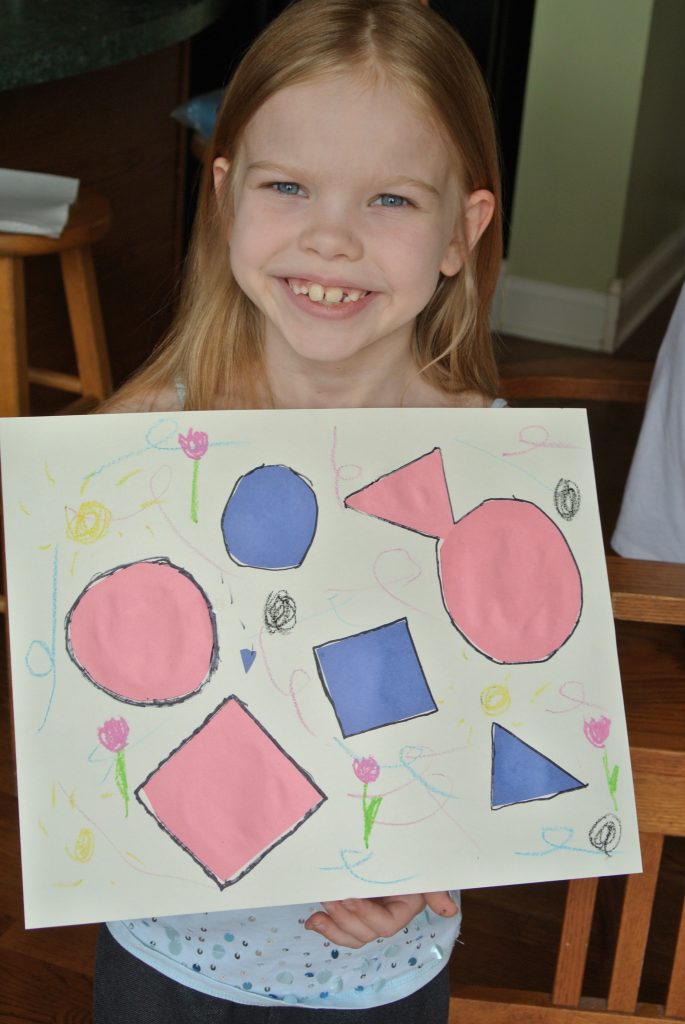
When children create art at home, they are often processing experiences subconsciously. A drawing may reflect anxiety about a change in routine. A painting may reveal joy or relief. These expressions offer insight for parents while giving children a sense of control and emotional release.
Importantly, the benefits occur even when parents do not analyze or interpret the artwork. The act of creating itself is therapeutic.
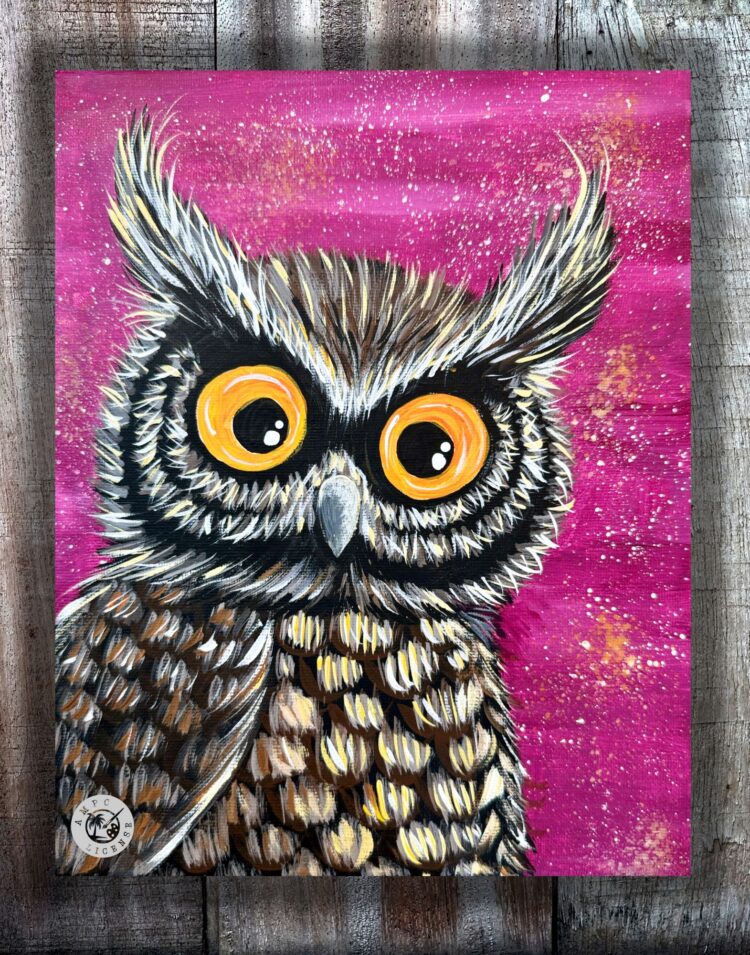
Our Premium Tier painting lesson for October.
Music, Art, and Executive Function Skills
Mental health is not just about feelings—it’s also about skills. Executive function skills such as attention, emotional control, and flexibility are closely tied to emotional well-being.
How Music Strengthens Emotional Self-Control
Learning music requires:
Sustained attention
Working memory
Impulse control
Emotional regulation
Research in music education consistently shows that students who engage in music develop stronger executive function skills. These abilities help children manage frustration, stay focused, and regulate emotional responses.
This matters deeply in homeschool life, where children must often self-direct learning and manage transitions throughout the day.
How Art Builds Resilience and Flexibility
Art naturally includes mistakes, experimentation, and revision. These experiences help children develop:
Frustration tolerance
Perseverance
Cognitive flexibility
Confidence in problem-solving
Completing an art project builds a sense of accomplishment, while navigating challenges within the process strengthens resilience. These skills support mental health far beyond the art table.
Identity, Confidence, and Emotional Well-Being
Mental health is closely linked to how children see themselves.
Studies in educational psychology show that participation in the arts supports:
Higher self-esteem
Positive self-identity
Emotional confidence
Music education research from institutions such as the USC Brain and Creativity Institute has found that musical learning enhances emotional confidence and self-efficacy, particularly in students who may struggle in traditional academic areas.
For homeschoolers, this benefit is often amplified. Without constant comparison to peers, children can grow at their own pace and take pride in personal progress.
A child who struggles with math may find confidence at the piano. A quiet child may discover self-expression through singing. A perfectionist may learn flexibility through art.
These identity anchors provide emotional stability and protect mental health over time.
Social Connection Without Social Pressure
Loneliness and isolation are significant contributors to mental health struggles in children and teens. Music and art offer social connection without the intensity or pressure of traditional peer interaction.
Research shows that group music experiences increase oxytocin, the hormone associated with bonding and trust. Singing together, playing music as a family, or sharing creative projects fosters connection and emotional safety.
Even within a single household, music and art create shared rituals that strengthen relationships and emotional security—both essential components of mental well-being.
Long-Term Mental Health Benefits of Arts Engagement
Perhaps most compelling is research showing that arts engagement acts as a protective factor across the lifespan.
Large public health reviews, including those associated with the World Health Organization, have concluded that participation in music and visual arts:
Reduces risk of chronic stress
Supports emotional resilience
Improves overall quality of life
Contributes to mental health prevention
These benefits are not limited to childhood. The emotional tools developed through creative engagement continue into adolescence and adulthood.
For homeschool families thinking long-term, this is powerful reassurance. Music and art are not short-term enrichment; they are investments in lifelong well-being.
What This Means for Homeschool Parents
Here is the encouraging truth supported by research: you do not need a formal curriculum, advanced training, or perfect consistency.
The most important factor is regular, low-pressure engagement.
Listening to music counts. Singing together counts. Simple art projects count.
Even fifteen minutes a day can support emotional health in ways that no worksheet ever could.
Homeschool families are uniquely positioned to provide this kind of environment—one where creativity is woven naturally into daily life.
Education That Nurtures the Whole Child
Music and art nourish parts of the human experience that academics alone cannot reach.
Research confirms what many homeschool parents already sense intuitively: creative engagement calms the nervous system, builds emotional resilience, and protects joy in learning.
When you include music and art in your homeschool, you are not adding one more subject. You are creating space for emotional health, connection, and long-term well-being.
That may be one of the most valuable lessons your children will ever receive.
Sources & Further Reading About Improving Mental Health in the Homeschool