Scott Joplin’s music has a way of making people smile. The rhythms feel playful, the melodies are instantly recognizable, and before long, toes start tapping. But behind that joyful sound is an important story—one that helps us understand not only ragtime, but the foundations of American music itself.
Who was Scott Joplin?
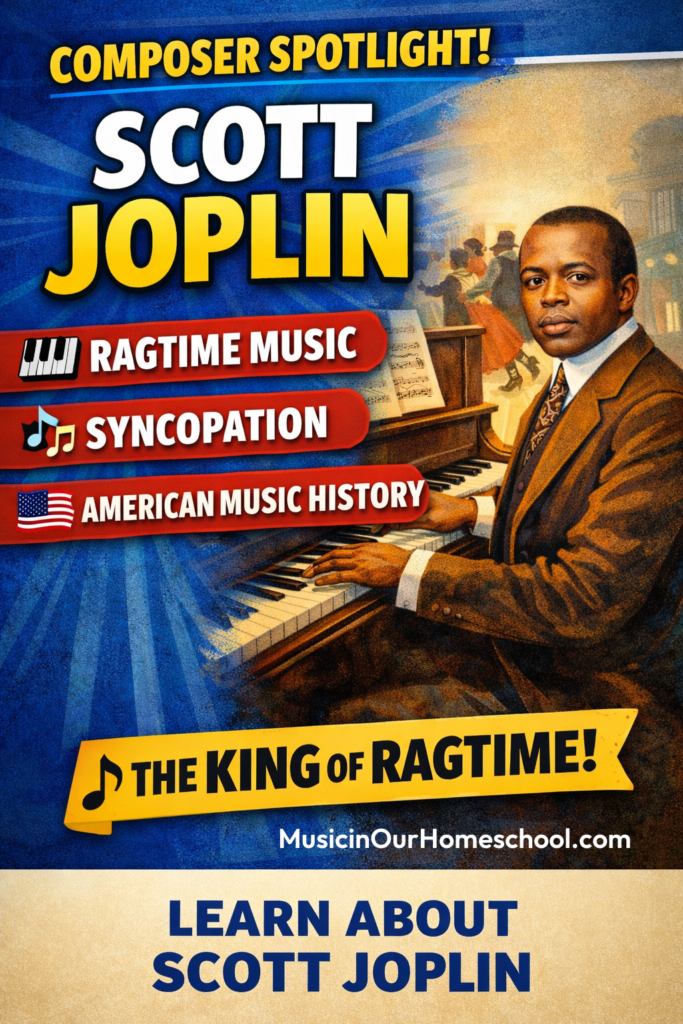
Scott Joplin is often called the King of Ragtime, and for good reason. Born in Texas in 1868, Joplin grew up surrounded by music. His father played the violin, his mother sang and played the banjo, and music was a part of everyday life. Despite limited opportunities for African American musicians at the time, Joplin’s talent was undeniable. A local music teacher recognized his gifts and provided him with formal training—an extraordinary opportunity in the late 1800s.
Where did Ragtime Come From?
To understand Joplin’s music, it helps to know what came before it. In the late 19th century, marches were extremely popular in America. Marches emphasize a strong, steady beat—especially beat one. Ragtime grew out of this tradition but added something new and surprising: syncopation. Instead of always stressing the strong beats, ragtime accents unexpected beats, creating a lively, bouncing rhythm that feels playful and full of motion.
This rhythmic twist is what gives ragtime its unique sound. In classic ragtime piano music, the left hand often plays a steady, march-like pattern while the right hand dances above it with syncopated melodies. That balance between structure and freedom is what makes Joplin’s music so engaging to listen to and so fun to study.
Joplin's Most Famous Piece: Maple Leaf Rag
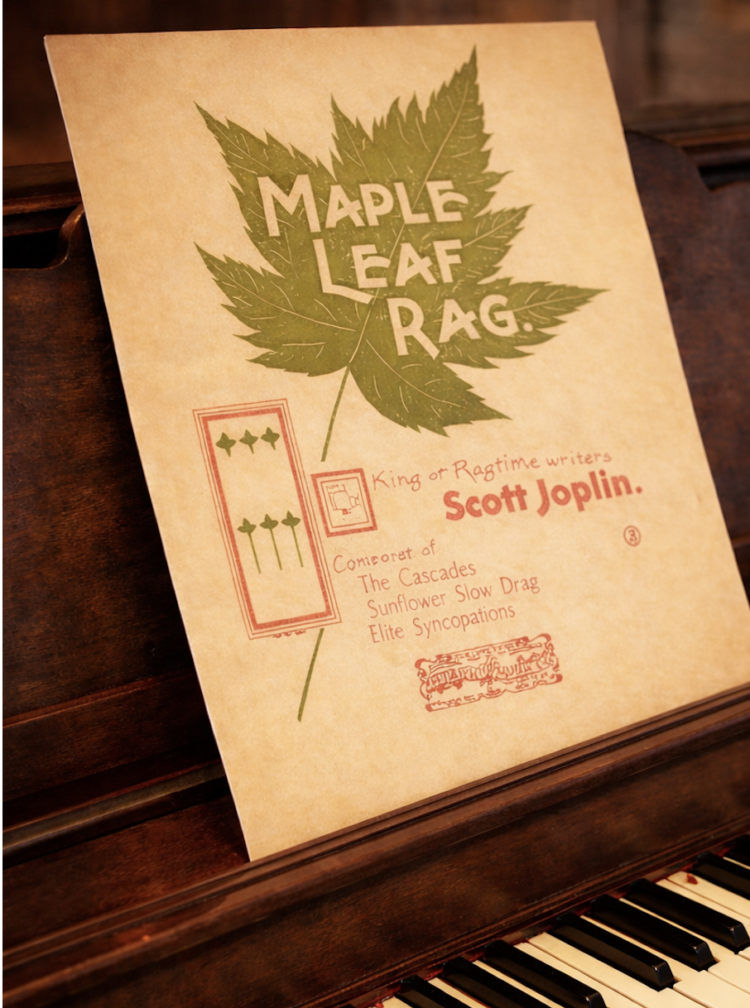
In 1899, Joplin published Maple Leaf Rag, the piece that would change his life—and music history. It became the first piece of sheet music to sell over one million copies, an astonishing achievement at a time when music spread primarily through live performance and printed music. Joplin was very clear about how his music should be played. Even though it sounds energetic, he insisted it should not be rushed. The rhythm, not the speed, was meant to create excitement.
The Lasting Legacy of Scott Joplin
Joplin went on to compose around 50 works, including more than 40 ragtime piano pieces, a ragtime ballet, and two operas. He believed deeply that ragtime was serious music, worthy of respect and a place on the concert stage. Although ragtime’s popularity faded near the end of his life, his influence did not.
Ragtime laid the groundwork for early jazz and influenced composers such as Irving Berlin and George Gershwin. When we listen to Scott Joplin today, we’re not just enjoying charming piano music—we’re hearing the roots of jazz, Broadway, and American popular music.
Listen to Scott Joplin's Ragtime Music
Below, you’ll find three more of Scott Joplin’s well-known piano works. As you listen, notice the steady left hand, the syncopated right-hand melodies, and how the music feels joyful without being rushed. These pieces make wonderful listening experiences for homeschool music appreciation, whether during Morning Time, a short lesson, or simply as background music that sparks curiosity and conversation.
The Entertainer:
Pineapple Rag:
Solace:
Use this Free Composer Printable Pack for the Composer Spotlight Scott Joplin
Head here for more Black History Month music lessons: