Charlotte Mason Music Lessons for Homeschoolers: Simple Ideas for Every Age
One of the questions I hear from homeschool parents is, “What does music education look like in a Charlotte Mason homeschool?”
Many of us understand Charlotte Mason's emphasis on living books, narration, nature study, habit training, and short lessons. But when it comes to music, it can feel less clear. Should children learn an instrument? Study composers? Sing folk songs? Listen to classical music?
The answer is yes—but probably not all at once.
The beauty of Charlotte Mason's philosophy is that music doesn't need to become another overwhelming subject. Instead, it becomes part of the atmosphere of your home.
Charlotte Mason Believed Music Was Essential
Charlotte Mason viewed music as an important part of a child's education, not an optional enrichment activity.
She encouraged children to experience beautiful music regularly through:
Her goal wasn't primarily technical mastery. She wanted children to develop appreciation, attention, delight, and affection for beautiful things. Music reaches the heart before it reaches the intellect.
Children often remember songs long after they've forgotten facts from a textbook. That's one reason music can be such a powerful educational tool.
Music for Preschool and Early Elementary
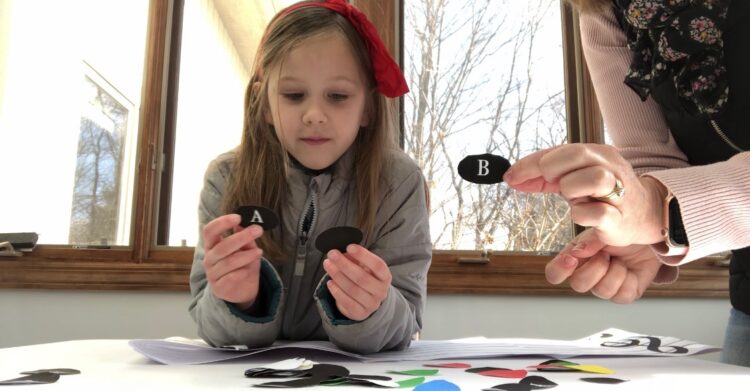
For young children, keep music simple and joyful. This is the season for singing, listening, moving, and delighting in beautiful sounds.
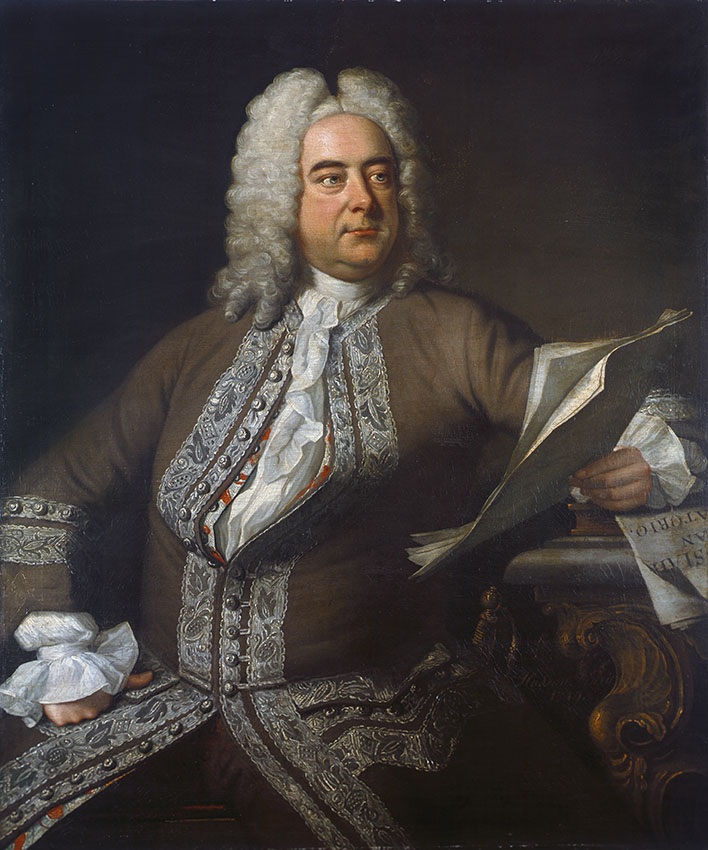
Some easy Charlotte Mason-inspired music activities include:
Connecting music to history, literature, geography, and culture makes learning richer and more memorable.
Music in Middle and High School
Many homeschool parents unintentionally drop music and fine arts during the high school years because academic requirements feel more pressing. Ironically, these are often the years when students need beauty the most.
These studies help develop critical thinking, observation, communication skills, and cultural literacy. Fine arts belong in high school, not because every student will become an artist or musician, but because every student is becoming an adult.
The Power of Small, Consistent Lessons
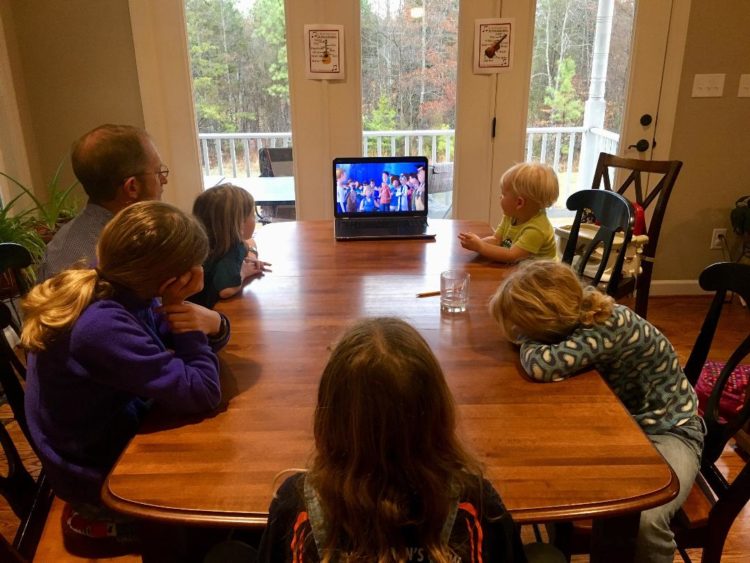
One of the biggest lessons I learned while homeschooling eight children is that complicated plans rarely survive real life. Babies, activities, appointments, meals, co-ops, church events, and everyday responsibilities all compete for our attention.
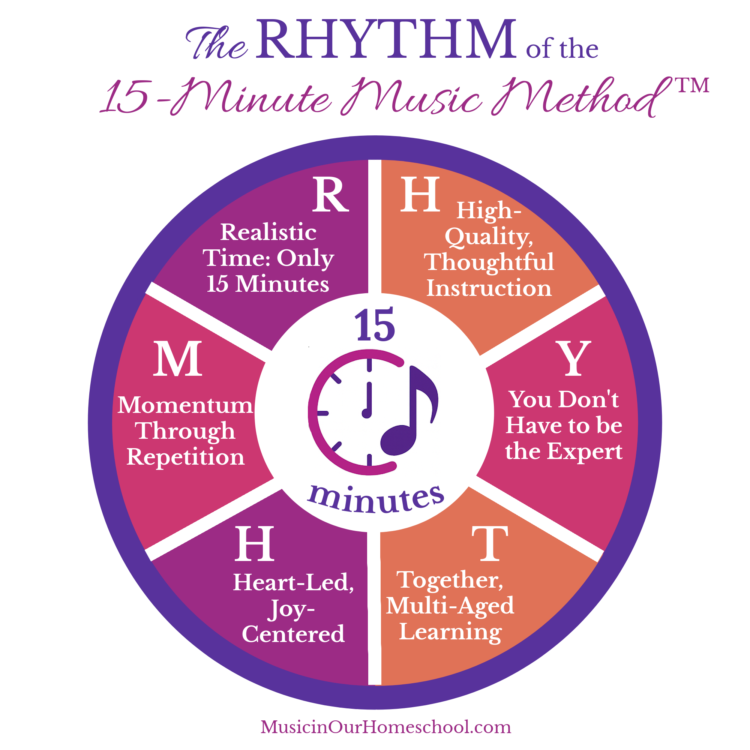
What worked best for us was simplicity. Short lessons. Consistency. Beautiful ideas. That realization eventually became the foundation of my 15-Minute Music Method™.
A little music done regularly has a greater impact than occasional elaborate lessons. Fifteen minutes a few times each week adds up to years of meaningful music education.
It's Never Too Late to Start
If you're reading this and thinking, “My children are already older and we never really did music,” let me encourage you.
You are not behind. Choose one composer. Learn one hymn. Listen to one piece of beautiful music. Read one living book.
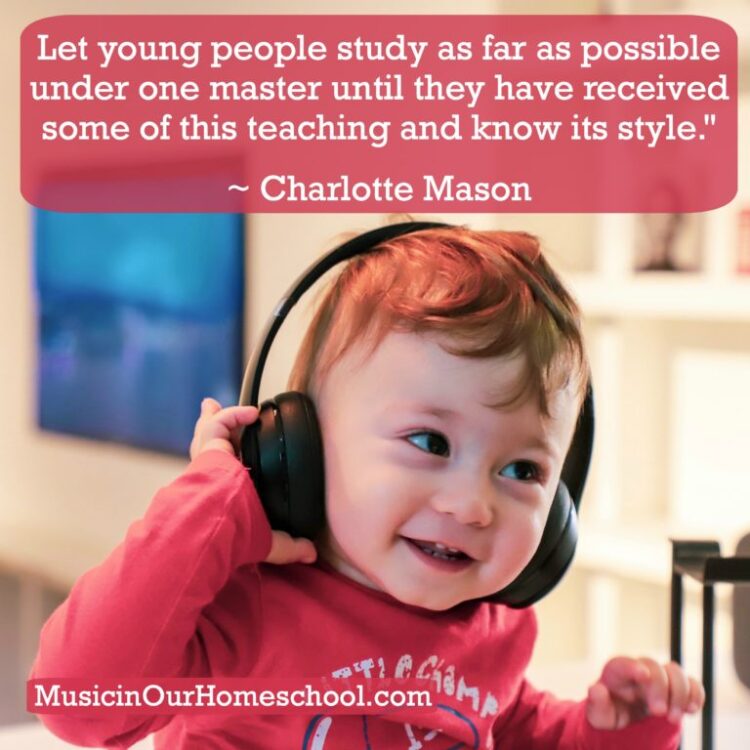
The beauty of a Charlotte Mason education is that it begins with living ideas, not perfection. Small, consistent exposure to beauty makes a difference over time. Charlotte Mason famously said that education is an atmosphere, a discipline, and a life.
Music contributes to all three. It creates atmosphere through beauty. It develops discipline through attentive listening. And it enriches life through a lifelong appreciation of music.
You don't need a music degree to make that happen. You simply need a willingness to begin. Start today!
Freebie: All the Composers You'll Want to Listen to
Download the Best Composers to Study checklist here: