Is music is one of those subjects you really want to include in your homeschool… but it just doesn’t seem to happen consistently?
You picture your kids recognizing beautiful pieces, enjoying singing together, maybe even learning about composers and instruments. You want them to develop a lifelong love of music. But then the reality of your homeschool day sets in. Math takes longer than expected. Someone needs extra help with reading. The little ones need attention. And by the time you finish your core subjects, you’re simply out of time. So music quietly slips to the side again.
If that sounds familiar, you’re not alone. And more importantly, there’s a simple way to change it. Let's talk about that today!
When Music Wasn’t Happening in My Homeschool
I want to take you back for a moment, because Music in Our Homeschool didn’t start as a polished curriculum or a well-planned system. It started with my own personal struggle.
Even though I’m a music teacher, and even though I love music deeply, there was a season when music just wasn’t happening the way I wanted it to in my own homeschool. I had a house full of kids of different ages and needs, plus a full schedule every day. And even with all my knowledge, I kept putting music education off.
It wasn't that I didn’t care; I was making it too complicated. I thought I needed to plan full lessons. I thought I needed to gather materials, prepare ahead of time, and teach everything thoroughly. And since I didn’t have the time or energy to do all of that, I kept waiting until I could do it “right.”
Of course, that perfect moment never came.
The Shift That Changed Everything
Everything changed when I asked a different question.
Instead of asking, “What would be the best, most complete music education?” I started asking, “What’s the smallest version of this that I could actually do consistently?”
But the real breakthrough came when I stopped treating music as a separate subject altogether. Instead, I added it to something we were already doing every day: Morning Time.
We were already gathered together. We already had a rhythm. So instead of creating a brand-new habit, I simply attached music to this existing one. And it worked!
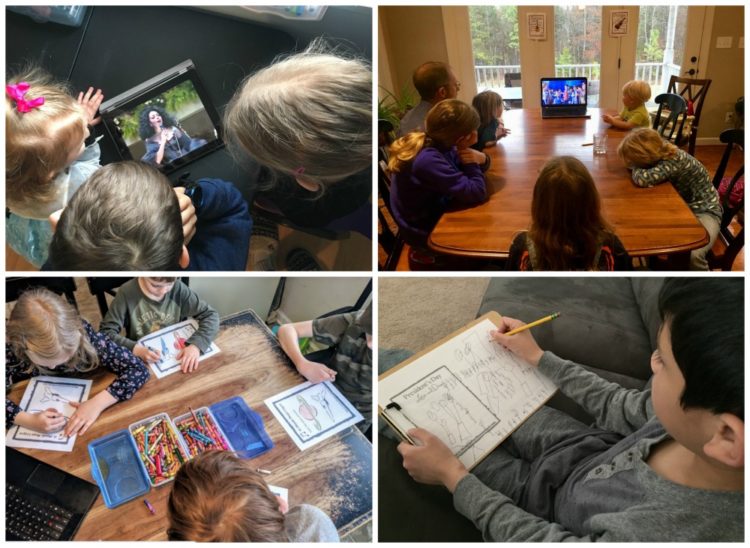
Some days we listened to a piece of music. Some days, we learned about a composer. Some days we talked about instruments or musical styles. And some days we simply enjoyed the music together.
It wasn’t complicated. It wasn’t perfect. But it happened.
Why Simplicity Works
Here’s what I noticed almost immediately: my kids were learning more about music than they ever had before. Not because I was doing more. But because I was finally doing something consistently.
That’s when I realized something that has shaped everything I’ve created since: Simplicity is what makes consistency possible. And consistency is what leads to real learning.
We often think we need the perfect plan. But in reality, a simple plan you can actually follow will always be more effective than a perfect plan that never gets started.
The RHYTHM Framework That Makes It Work
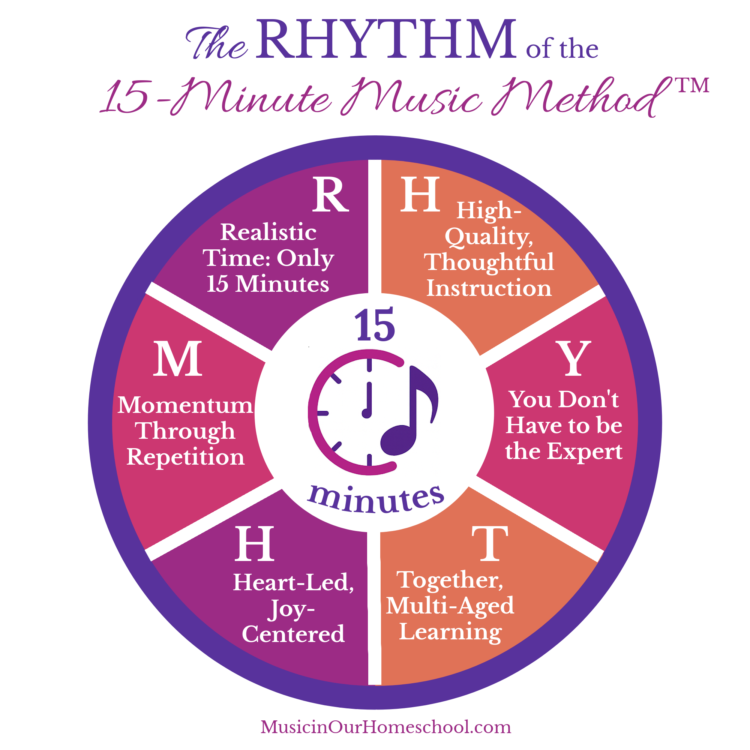
Over time, I began to understand why this simple approach worked so well. It eventually became what I now call the RHYTHM framework.
It’s not complicated, but it reflects what actually works in real homeschool life.
First, there’s Realistic time. When something fits into your day—truly fits—you’re far more likely to do it. Fifteen minutes doesn’t feel overwhelming. It feels doable.
Then there’s High-quality, thoughtful instruction. Simple doesn’t mean shallow. Your kids are still being exposed to rich, meaningful music, just in a way that invites them in instead of overwhelming them.
Another key piece is realizing that You don’t have to be the expert. This is one of the most freeing truths for homeschool moms. You don’t need a music degree. You don’t need to have all the answers. You simply need to provide the opportunity.
There’s also the importance of learning Together. In a homeschool with multiple kids, it’s not realistic to do everything separately. When you gather your children together for one shared experience, something special happens. They learn at their own levels, but they connect through it.
And then there’s the Heart behind it. Music should feel like joy, not pressure. When children connect emotionally to what they’re hearing, they remember it.
Finally, there’s Momentum through consistency. Real learning doesn’t come from one perfect lesson. It comes from repeated exposure over time. Hearing music again and again, noticing new things, and slowly building understanding.
Removing the Biggest Roadblock
One of the biggest challenges in homeschooling isn’t just teaching—it’s deciding what to do next. That constant decision-making can be exhausting. And when it comes to music, many parents get stuck simply because they don’t know where to start.
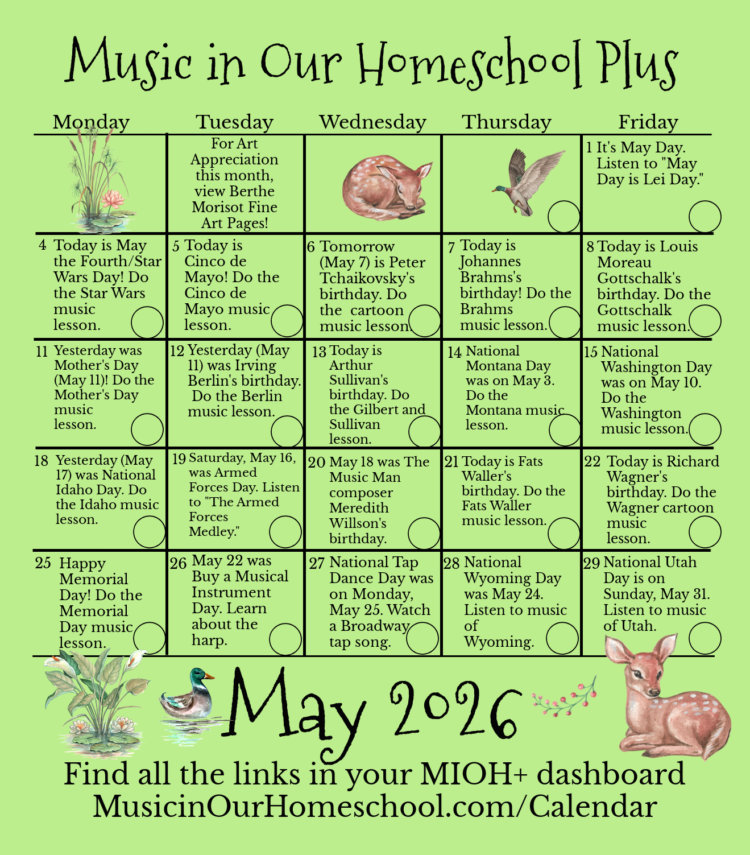
Instead of wondering what to do, you simply open the Music Lesson Calendar of the Month and follow the plan. There’s a short, ready-made lesson for each day, and everything is already chosen for you. You don’t have to search for music. You don’t have to plan the lesson. You don’t have to piece things together.
You just click and go.
And over time, something beautiful happens. Music stops feeling like an extra subject and starts becoming a natural part of your homeschool day.
A Richer Homeschool Atmosphere
Another thing I love about this approach is how naturally it expands. Music often leads into art. Art leads into history. History connects with literature.
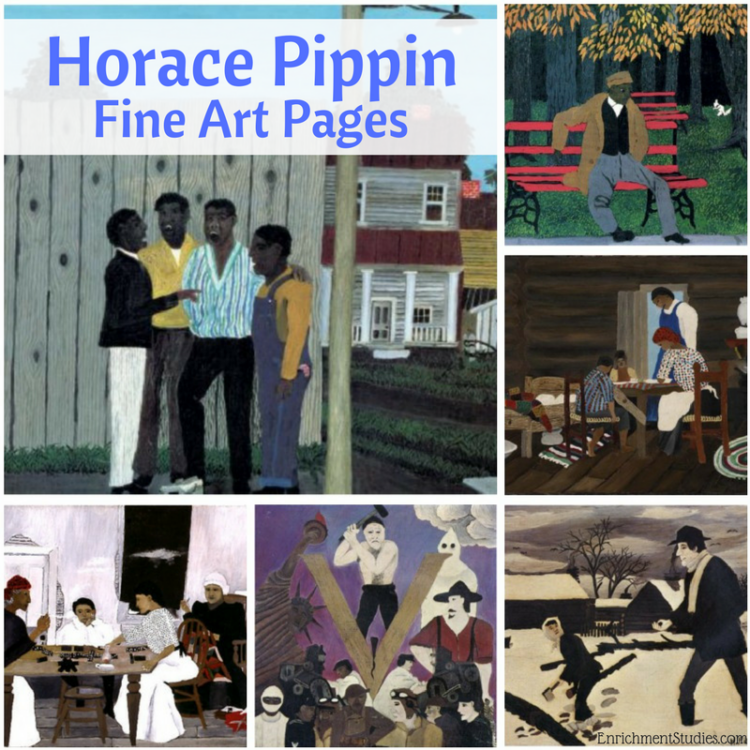
That’s why including Fine Art Pages alongside music lessons can be so powerful. You’re not just adding more subjects—you’re creating a richer, more connected homeschool atmosphere. And it doesn’t require hours of planning or preparation.
It just requires a simple, consistent approach.
If You’ve Been Feeling Stuck
If you’ve been carrying that quiet sense of guilt about not including music in your homeschool, I want to gently encourage you.
This isn’t about doing more. It’s about doing something simpler. You don’t need a perfect system. You don’t need to wait until you have more time or more knowledge. You just need a starting point that works in real life.
Start with 15 minutes.
Add it to something you’re already doing. Let it be simple. Let it be enjoyable. And trust that those small, consistent moments will add up to something meaningful over time.
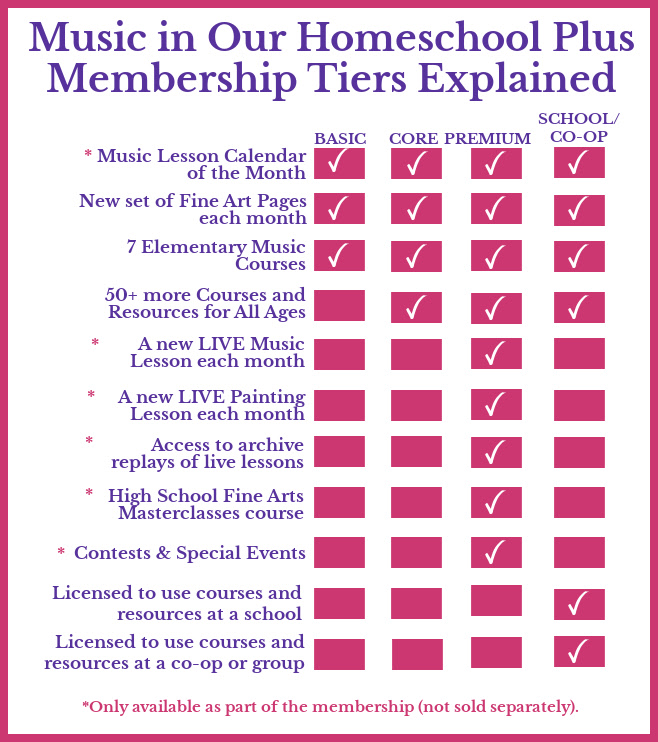
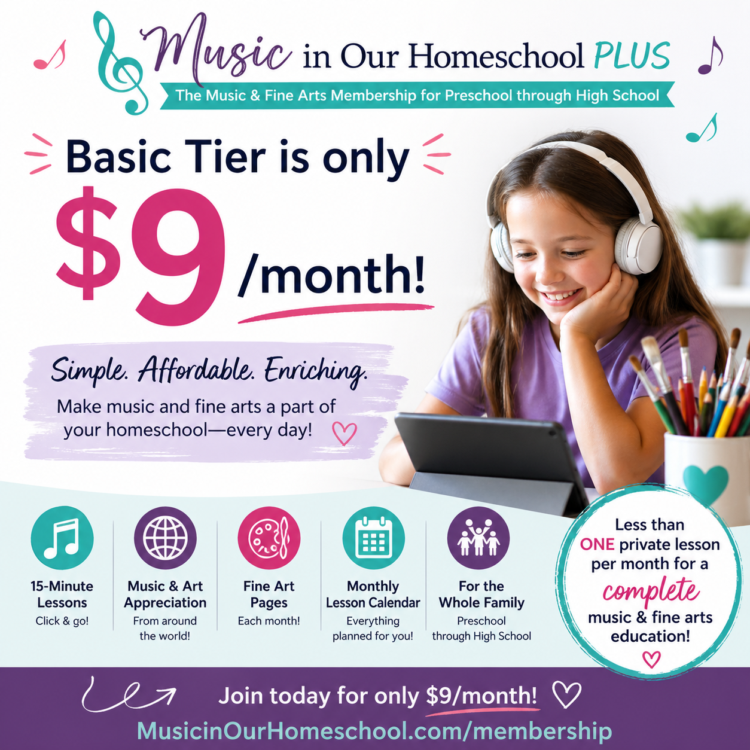
It gives you a clear, manageable way to include music and fine arts in your homeschool without adding pressure. With ready-made lessons, included courses, and a simple daily plan, it removes the overwhelm and makes consistency possible.
Because in the end, it’s not about doing music perfectly. It’s about making sure it actually happens. And sometimes, the simplest way is the one that finally works.