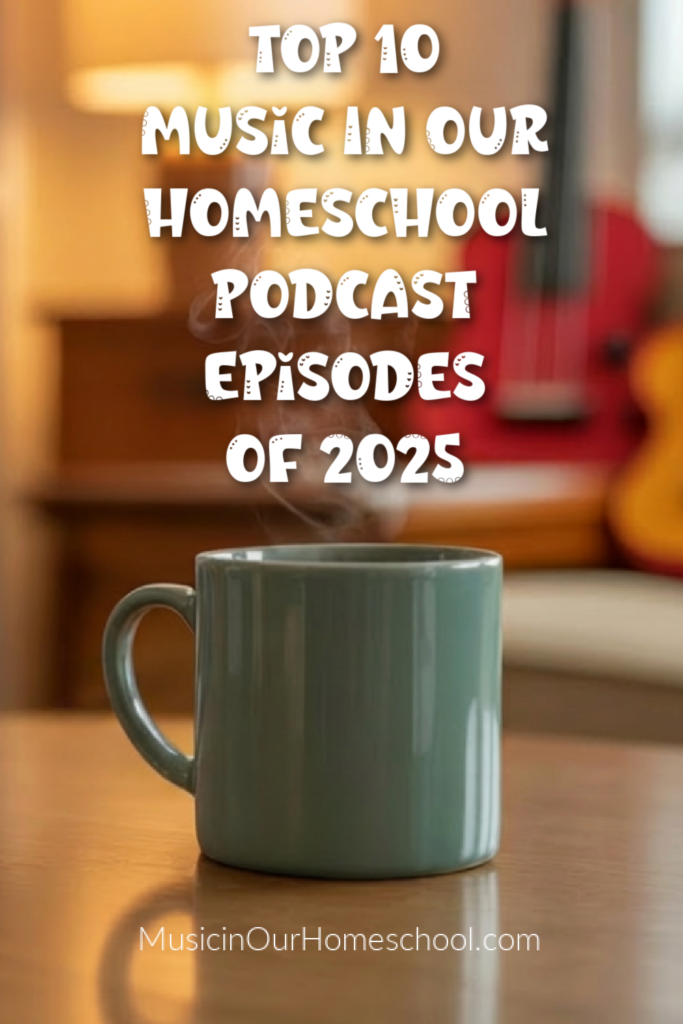
As we begin a brand-new year, I always enjoy taking a moment to look back at what truly resonated with our Music in Our Homeschool community. One of my favorite ways to do this is by reviewing the most popular podcast episodes of the year. The numbers tell a story all their own: what encouraged you, what helped you teach music more confidently, and what delighted your children the most.
Today, I’m sharing the Top Episodes of 2025 from the Music in Our Homeschool podcast. Whether you want to revisit them or discover new favorites, these episodes offer practical help, simple ideas, and plenty of inspiration to start 2026 with joy!
1. Episode 48 — Composer Spotlight: How Hans Zimmer Revolutionized Film Music
The most-listened-to episode of 2025 was our deep dive into composer Hans Zimmer, the musical innovator behind so many well-loved films. Listeners loved hearing how Zimmer blends classical orchestration with electronic textures, uses surprising sounds, and creates emotional storytelling through music.
This episode also included tips for helping kids listen critically: noticing layers, rhythms, unusual instruments, and changes in dynamics. For many families, film music became an easy, inviting gateway to classical music study.
Why it resonated: It gave homeschool families a simple, accessible way to study a real modern composer whose music children already recognize.
2. Episode 73 — What Is Ear Training and How Can I Include It in My Homeschool?
Ear training can sound intimidating, but this episode made it wonderfully approachable. We explored what ear training is (recognizing musical patterns by ear) and how to begin with young children through high-low games, animal sounds, rhythm copycat activities, and simple solfege.
I also explained how my music theory courses intentionally weave ear training into lessons at every level.
Why it resonated: Parents discovered that ear training isn’t complicated or technical—it’s playful, natural, and incredibly helpful for musical growth.
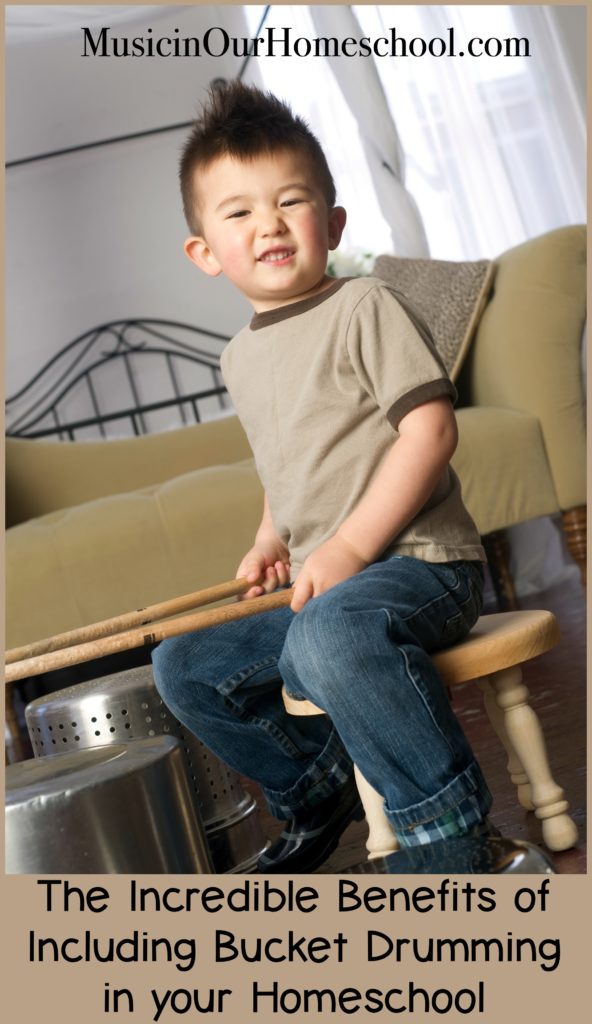
3. Episode 53 — Bucket Drumming for Beginners
This fun, hands-on episode called Bucket Drumming for Beginners made rhythm learning accessible to every family, no matter the budget. With just a bucket and sticks, kids can learn steady beat, tempo, patterns, and improvisation.
Listeners especially enjoyed the brain science behind rhythm and learning, plus practical ideas for starting immediately—even if you have no musical background.
Why it resonated: Families wanted a movement-based, joyful way to teach rhythm, and bucket drumming delivered.
4. Episode 57 — One-Year Podcast Anniversary / St. Patrick’s Day Songs
We explored the stories behind beloved Irish songs, such as “Danny Boy” and “The Parting Glass,” and talked about how easy seasonal listening can be.
Why it resonated: Listeners appreciated both the reflection and the ready-to-use holiday music suggestions.
5. Episode 58 — Singing 101 for Homeschoolers
Voice instruction can feel overwhelming, especially if you don’t consider yourself a singer. This Singing 101 for Homeschoolers episode broke it down into simple steps: posture, breathing, pitch-matching, warmups, and how boys’ voices change.
I emphasized that anyone can learn to sing more confidently and that parents don’t need musical training to help their children start.
Why it resonated: It empowered families to nurture healthy, joyful singing at home.
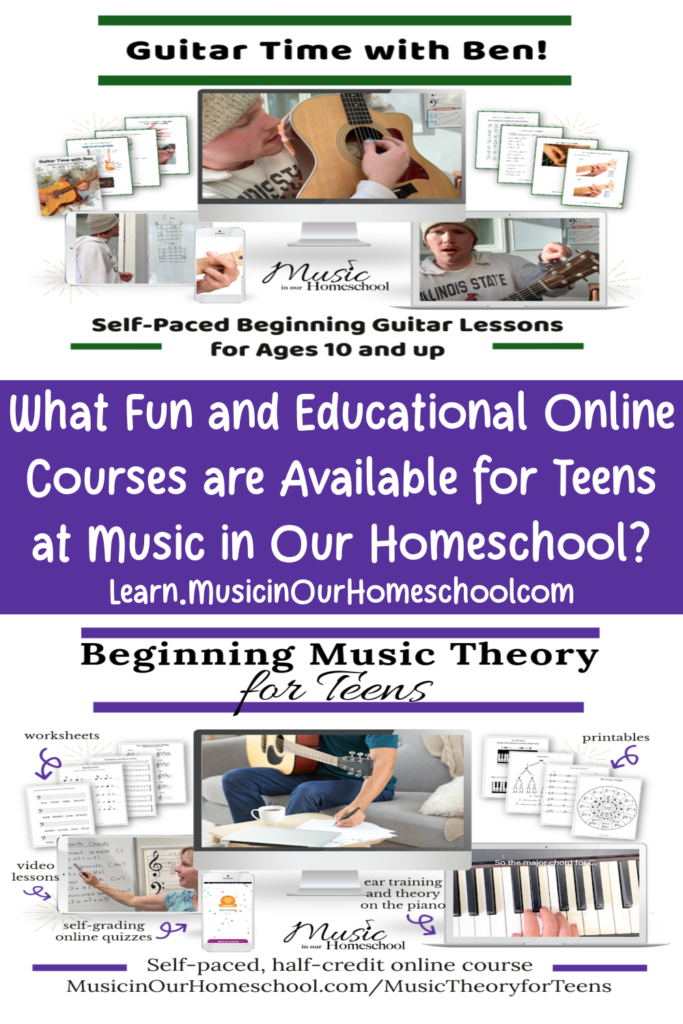
6. Episode 62 — What Fun & Educational Online Courses Are Available for Teens?
Listeners heard about composer studies, music history, instrument basics, singing, Shakespeare for teens, and more. I also explained weekly pacing, notebooking pages, and how teens can complete a fine arts credit using self-paced lessons.
Why it resonated: Parents appreciated the clarity and confidence around planning high school fine arts.
7. Episode 56 — How to Start Listening to Classical Music in Your Homeschool
Ideas included: a composer-of-the-week habit, playing music during copywork or math, “draw what you hear” activities, and watching child-friendly classical performances online.
Why it resonated: It removed the guilt and pressure and showed that classical music can be simple, enjoyable, and realistic.
Tied for Spots 8–12
The following episodes were separated by only a handful of downloads, so they all earned a place in the Top 10 round-up!
Why it resonated: Moms loved the “low-pressure, high-impact” approach to art in the home.
Episode 50 — Transform Your Homeschool with Quick and Easy Enrichment Studies Sound Bites
Sound Bites continued to be one of the most popular enrichment tools among busy families. This episode introduced the seven Sound Bites courses and shared how real families fit them into their routines—from breakfast listening to a few minutes before bedtime.
Why it resonated: It gave overwhelmed families a plan that takes less than five minutes per day.
Episode 59 — How to Use Living Books to Teach Music in Your Homeschool
Living books offer one of the easiest ways to bring music into your homeschool naturally. This episode explored the five major categories of Living Books to Teach Music in Your Homeschool: composer biographies, musical stories, instrument books, story-based listening guides, and picture books connected to famous works.
Why it resonated: It set families free to begin music appreciation with just a book and a cozy read-aloud moment.
Episode 81 — The Top 10 Classical Music Pieces Every Homeschooler Should Listen To
Why it resonated: It highlighted community, support, and inspiration—three things homeschool families value deeply.
Looking Ahead to 2026
As I look over this year’s most popular episodes, a beautiful theme emerges. You are drawn to:
Simple, practical ideas
Stories that encourage and inspire
Lessons that fit easily into busy family life
Ways to enjoy music and art without overwhelm
Composer studies, seasonal lessons, and clear how-to guidance
Thank you for listening, sharing, and helping grow the Harmony Heroes community. I’m grateful for every message, review, and encouraging word you send.
I cannot wait to share what’s coming next on the podcast this year—new composer spotlights, hands-on activities, seasonal study ideas, and practical guidance so you can continue to bring joyful fine arts learning into your homeschool.
Here’s to a beautiful, creative year of music-making and learning together.
Get the newest course Music and Art of America: 250 Years of Freedom here:
Music and Art of America: 250 Years of Freedom
Music and Art of America: 250 Years of Freedom invites students on a powerful journey through American history by exploring how music and visual art have told the story of courage, struggle, faith, and innovation from the Colonial era to today. Each 15-minute music lesson connects a defining musical style with an iconic artwork to reveal how creative expression both shaped and reflected the nation’s pursuit of freedom. Through listening, reflection, and visual inspiration, students discover that the soundtrack—and the canvas—of America is as diverse, vibrant, and resilient as its people.